

























































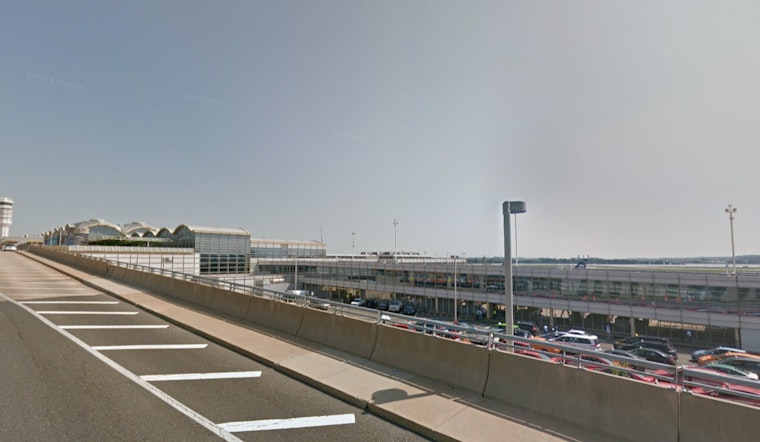
The sky over Washington D.C. experienced tension on Thursday as two commercial flights were instructed to perform go-arounds at Reagan National Airport due to the close proximity of a US Army Blackhawk helicopter. The flights — a Republic Airways plane from Boston and a Delta flight from Orlando — were forced to abort their landings and circle back as the helicopter was inbound to the Pentagon, an area uncomfortably close to the airport's runways. According to WCVB, the National Transportation Safety Board is currently digging into the incidents as they are likely the first since the Federal Aviation Administration initiated alterations to helicopter routes after a severe midair collision in January.
The earlier tragedy in question left 67 people dead when an American Airlines flight collided with an Army Blackhawk. Among the deceased were individuals associated with the Boston Skating Club, who were returning from a competition. The crash, noted as the deadliest aviation disaster on U.S. soil in almost a quarter-century, was initially covered by Boston 25, who reported, "You got to shut it off and stop it. It’s not going to go away." This was part of a statement by Tom Kinton, president of Kinton Aviation Consulting, in an interview indicating concern for the frequency of such near-misses at Reagan National.
In attempts to provide a more analytical perspective on the potential risk of these encounters, data has been shared on the specifics of Thursday's incident by experts in the field. As recounted by Boston 25 and interpreted by Kinton himself, the involved aircraft and the helicopter were within three-quarters of a mile horizontally and just 400 feet vertically of each other. Given they were all traveling over 100 miles per hour, this proximity potentially spelled imminent danger, a gap that could "close very quickly at those speeds."
Given these persistent and troubling episodes, recommendations were put forward to mitigate further risks. Kinton suggested that the NTSB and FAA have now mandated only essential military operations to be conducted at Reagan National while the airport is operating – a caution to prevent concurrent activity that could lead to similar incidents. "Safety is everything, and when you have a rash of incidents like this, you take your time and you look at the causes and you put systems in place," Kinton told Boston 25. These measures, he advises, should be actualized without delay to ensure the safety of all air travelers and personnel in the region. The NTSB announced yesterday, as noted by Boston 25, that an active investigation is currently underway regarding Thursday's incident.





