

























































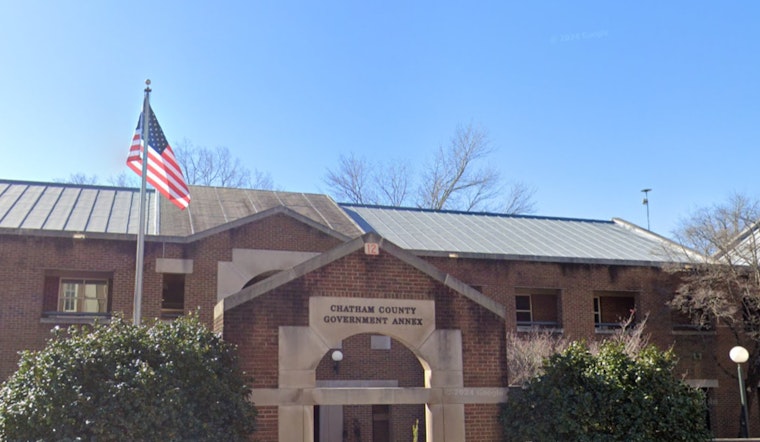
Chatham County is looking a bit brighter and certainly greener after snagging a sweet $350,000 federal grant aimed at boosting energy efficiency and sustainability. The cash flow, courtesy of the Energy Efficiency and Conservation Block Grant (EECBG) program, is administered by the North Carolina Department of Environmental Quality’s State Energy Office, and ultimately flows from Uncle Sam's Department of Energy purse.
In what can be dubbed a turn of good fortune for sustainability efforts, Chatham County was one of the chosen few; specifically, one out of nine projects across the state to be handed this competitive funding opportunity, this investment reflects Chatham's ardent stride towards a future where their buildings guzzle down less juice and leave a softer imprint on mother earth, in the pursuit of this future the County's selection is a tale of its sustainability saga, as etched in guiding documents like Plan Chatham and the Sustainable Facilities Policy. According to Chatham County, County Manager Bryan Thompson expressed, "We are incredibly honored to receive this grant and excited about the opportunities it opens up," further noting the grant-created roadmap for future enhancements.
Where's the money going, you ask? Energy audits. Think of them as a health check-up but for buildings to gauge their energy consumption pulse. Key lifesavers like the Chatham County Public Health Building and the Siler City Center for Active Living are both in line for this energy introspection. The idea is to spot where energy efficiency can be amped up; some fixes will be backed by the grant itself, others will nudge future budget talks on capital improvement.
Chatham County is not just fixing pipes and bulbs; they've got their eyes on a bigger prize—merging infrastructure progress with broad, sweeping sustainability goals, drafting a new chapter for both their ecological and fiscal story. From the energy-saving tactics sprouting from these audits, there's a promising forecast of trimmed electric bills, slashed carbon emissions, and nipped operating costs, which, as Kevin Lindley, Environmental Quality Director put it, touches every base: "This effort speaks to all three pillars of sustainability—people, planet, and prosperity."





