

























































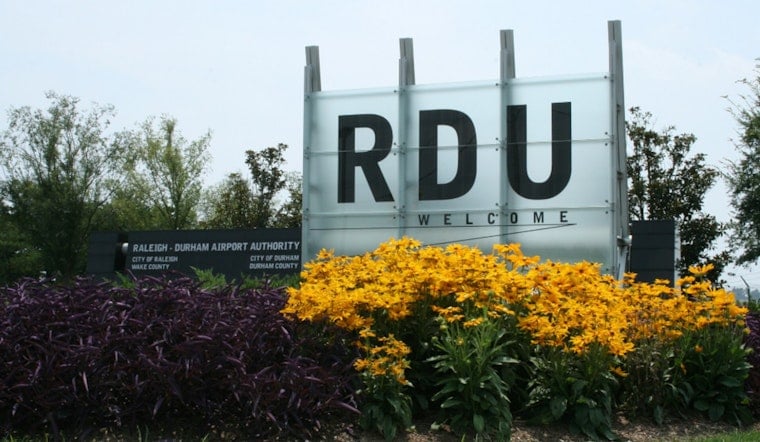
American Airlines passengers landing from Chicago at Raleigh-Durham International Airport late Monday were stuck in an unexpected holding pattern on the ground, sitting on the tarmac for more than an hour after touchdown while lightning shut down ramp activity. The jet landed around 11:44 p.m., but travelers did not step off the plane until about 1:20 a.m., according to local reporting. Passengers also said another arriving aircraft circled and then taxied for more than an hour before finally reaching a gate, snarling already late-night connections.
What federal rules require
Under federal tarmac delay rules, airlines must give passengers the opportunity to deplane before a tarmac delay reaches three hours for domestic flights and four hours for international flights, and must provide snacks and potable water no later than two hours into a delay. Airlines are also required to maintain working lavatories, provide adequate medical attention if needed, and give regular status updates to passengers, according to the U.S. Department of Transportation.
What happened at RDU
Local reporting by WRAL said the American Airlines flight from Chicago touched down at 11:44 p.m. but passengers did not deplane until roughly 1:20 a.m. Weather data cited in that report showed a lightning strike within five miles of RDU at about 12:08 a.m. WRAL quoted a meteorologist who said conditions largely cleared by about 12:15 a.m., and reported that American told the station the ramp closure and an air traffic control ground stop created a backlog that crews worked to clear once it was safe to resume operations.
How airlines handle ramp closures
American's published tarmac delay contingency plan explains that the carrier coordinates with local airport authorities, the Transportation Security Administration and customs officials and will provide food, water, working lavatories and medical attention during lengthy ground delays when it is safe to do so. The plan also says American will not permit an aircraft to remain on the tarmac past the Department of Transportation limits unless safety, security or air traffic control concerns prevent deplaning, and that teams will make "reasonable efforts" to share gates or use air stairs if a gate is unavailable. For details, see American Airlines.
Compensation and what passengers received
WRAL also reported that passengers affected by earlier lightning-related delays at RDU received vouchers from American ranging from $50 to $150. Federal law does not require airlines to provide meal vouchers, hotel rooms or refunds for weather-caused disruptions, so those gestures are discretionary and often depend on whether a disruption is within the airline's control. Consumer advocates recommend asking gate agents for written details and any available assistance, and keeping a clear record of the timeline and any expenses if you later seek reimbursement or file a complaint.
What to do if your flight was affected
If your flight was affected, document the times on your boarding pass and keep receipts, ask the gate agent for a written explanation of the cause and any expenses covered, and save photos or video that show the timeline. If the airline's response is unsatisfactory, passengers can file a complaint through the Department of Transportation's online portal; see the U.S. Department of Transportation. For on-site help at the airport, RDU's Guest Experience desk can be reached at (919) 840-2123 or via the airport's contact page: RDU.
Late-night ramp closures and gate shortages at busy airports like RDU can quickly snowball into multi-hour disruptions for travelers in the Triangle, so it is worth keeping the Department of Transportation's tarmac rules in your travel toolkit. If you were held on the tarmac, the key next steps are to collect your documentation, ask the airline for a written record and consider filing with the Department of Transportation if you do not receive a satisfactory remedy.



