

























































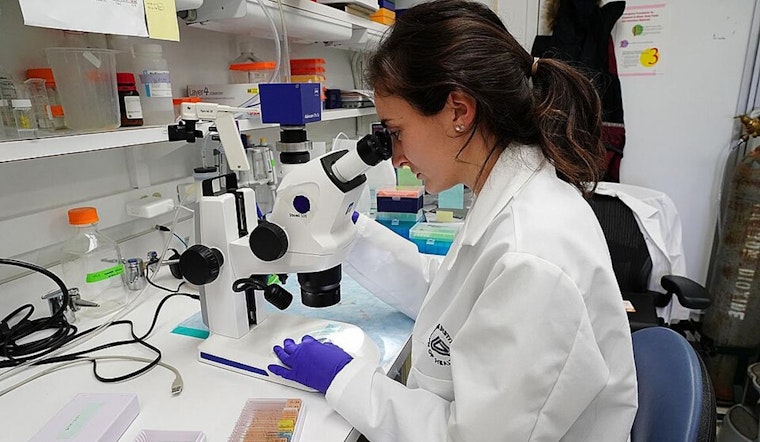
The medical research community is grappling with the fallout from significant federal funding cuts implemented by the Trump administration, which have threatened to stymie a range of critical health studies and could potentially disrupt public health for future generations. According to the Chicago Sun-Times, President Trump's clampdown on funding has already resulted in the cancellation of 694 grants by the National Institutes of Health (NIH), totaling $1.81 billion, and the impact is being felt acutely by researchers in Chicago's Northwestern University and the University of Illinois Chicago (UIC).
Professor Timothy Koh from UIC, a researcher into diabetes-related wound inflammation, faces the discontinuation of his vital work due to these measures, saying, "NIH has been the biggest funder and it’s difficult, very difficult, to replace that kind of funding, especially if you’re doing research that’s considered basic and research that companies don’t see as immediately profitable for them," as stated by the Chicago Sun-Times. Northwestern's Brian Mustanski also lamented the termination of his grant for studying the risk factors of HIV in young gay and bisexual men, disputing the NIH's characterization of his work as "DEI-focused," which is now a target for cuts emanating from Trump's administration policies, Koh and Mustanski's predicaments outline the broader consequences of the administration's sweeping budget reductions as they see their studies, which are disconnected from the profit motives that typically attract private funding, floundering amid a sea of financial uncertainties.
This echoed the sentiment in an article from CBS News, where the medical cuts were described as "reckless destruction" that could damage the United States' research infrastructure for a long time. The piece articulated concerns about the potential "brain drain" and the adverse impact on future generations' health, positing the current trajectory as an alarming detour from the pursuit of meaningful scientific discovery.



.jpg)