

























































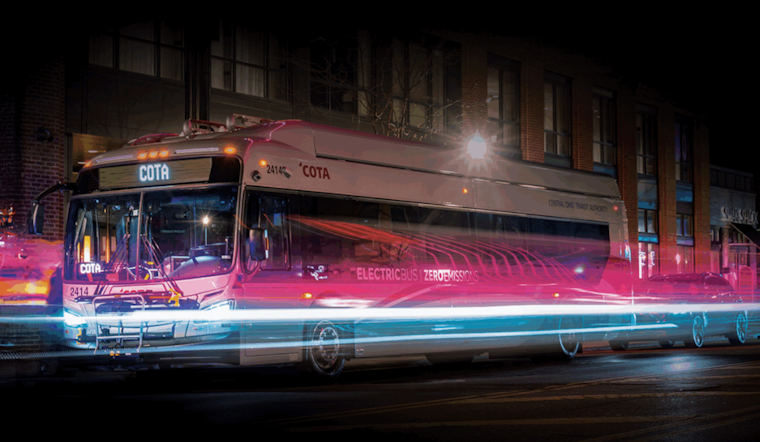
In a move celebrated by night owls and late-shift workers alike, the Central Ohio Transit Authority (COTA) has rolled out extended late-night services to several of its routes in Upper Arlington. As of May 5, residents of this Columbus suburb now have the ability to navigate the city's offerings at later hours. This initiative comes as a branch of LinkUS, a broader effort aimed at bolstering transit connectivity and efficiency throughout Central Ohio.
The service extension affects four key routes that run through Upper Arlington, addressing the needs of those who operate on schedules stretching beyond conventional transit hours. Commuters, revelers, and all in between can now rely on expanded accessibility to pursue their nocturnal endeavors without the constraints of earlier cut-off times. In a statement obtained by Upper Arlington's official website, city officials tout this development as a significant leap toward modernizing their regional transit system.
LinkUS, which encompasses this latest service extension, is poised to transform Central Ohio's transportation landscape. The program seeks to create a more integrated and resilient transit network with a series of initiatives designed to improve bus rapid transit, incorporate innovative mobility options, and enhance the overall user experience. This particular enhancement in Upper Arlington signifies not just practical changes but also stands as a testament to the city's commitment to accessibility and convenience for its residents.
Given the implications for social mobility and economic opportunity, such improvements hold more weight than a mere schedule shift. Addressing this, Upper Arlington officials have expressed that expanding service hours helps bridge gaps not only in the physical sense but in the opportunities available to those who live, work, and play in the regions affected by these changes. Recognizing the transportation barriers that can limit access to jobs, education, and social activities, the city is actively seeking solutions through initiatives like this one, ensuring the nightlife and those who sustain it remain connected.




