

























































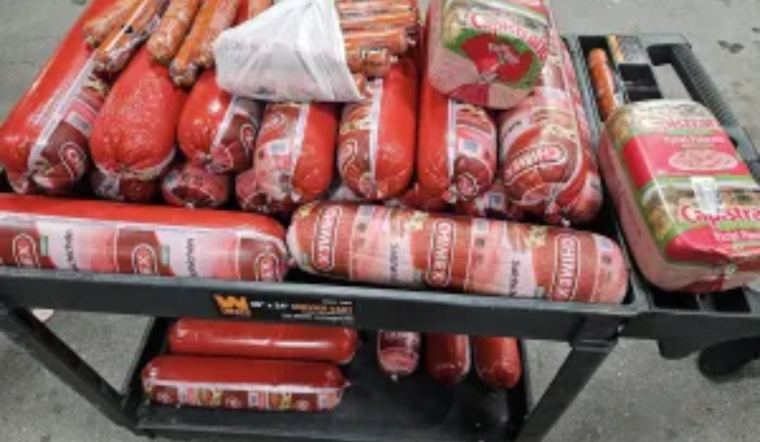
In a tireless effort to protect U.S. agriculture from invasive threats, Customs and Border Protection (CBP) Agriculture Specialists at El Paso's Paso Del Norte border crossing uncovered almost 300 pounds of illicit pork contraband, a statement released by the agency yesterday. A 61-year-old man, whose identity has not been disclosed, was at the center of the incident after a routine stop exposed that he was transporting prohibited pork goods under his 2024 Mazda CX-50's mats following a wrongfully negative declaration of meats and produce upon his inspection at the port, according to U.S. Customs and Border Protection.
Digging deeper into the vehicle led CBP officers to 275 pounds of bologna, 17.6 pounds of ham, and seven pounds of chorizo intricately hidden away, this bust isn't the first rodeo for the driver, who faced a $1,000 fine for a similar attempt last time, "It is important that members of the traveling public clearly understand that pork products have the potential to introduce foreign animal diseases to the U.S.," CBP El Paso Director Field Operations Hector A. Mancha told the U.S. Customs and Border Protection, emphasizing the gravity of such smuggling efforts’ potential impact on the U.S. economy and agriculture sector.
This recent bust draws attention once again to the strict regulations governing agricultural imports into the country. According to the U.S. Customs and Border Protection, all the confiscated pork products were destroyed in accordance with the U.S. Department of Agriculture's protocols, which are designed to prevent the introduction of foreign animal diseases that could devastate local industries and the national economy. The CBP is now considering additional civil penalties against the individual for the repeat offense, and the case has been referred to the USDA Investigative and Enforcement Services for further action.





