

























































Peeling back the layers of our country's history reveals narratives lesser known but no less significant. On May 16, the Dakota County Historical Society will provide an opportunity to delve into one such narrative – the role of the Japanese language school at Camp Savage in developing U.S military intelligence during World War II. This second installment of the "Mendota After Hours" series, titled "Camp Savage and the Birth of U.S. Military Language Intelligence: One Soldier's Story," is to be helmed by Dr. Karen Lucas, who will share the experiences of her father, Walter Tanaka, an American of Japanese descent and a part of the first class at Camp Savage.
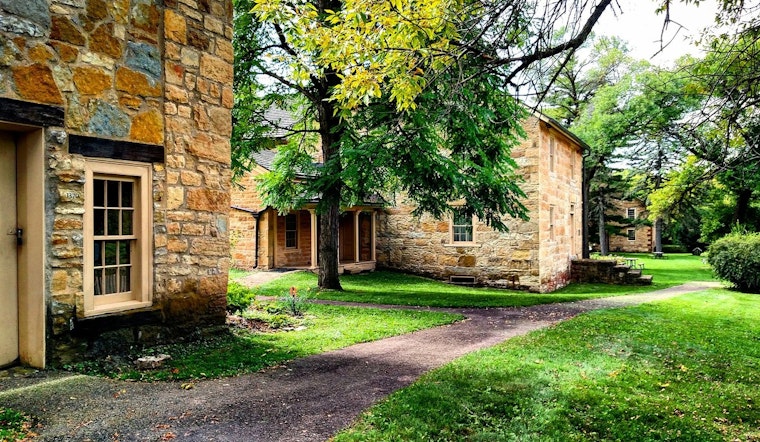
Located at the Sibley Historic Site, the presentation will open its doors to an audience eager to learn about a less-heralded chapter in Minnesota's history. The state hosted a vital program that saw 6,000 Japanese linguists trained to assist U.S forces during the war. Admission is pegged at $20 per person, or $15 for members of the DCHS and the Minnesota Historical Society. Those interested would do well to act swiftly; registration is limited, and spots can be reserved by calling the Sibley Site at 651-452-1596 or by visiting the Dakota County Historical Society's website.
The tale of Camp Savage is a poignant one, embodying a convergence of loyalty, identity, and duty, largely woven by Americans of Japanese descent during a period when their patriotism was being questioned at home. Dr. Lucas, as detailed by her biography, is a third-generation Japanese American and a retired family medicine practitioner. Now, she serves on the board of the Twin Cities Chapter of the Japanese American Citizens League and devotes time to their education committee.
"Most Minnesotans are unaware of the significant role our state played in the early development of U.S. Military Language Intelligence," reads a statement from the Dakota County Historical Society's announcement. The impact made by these linguists stretched across every major battle against Japanese military forces, a testament to the critical role of language skills in times of conflict. Dr. Lucas's presentation, fortified by her family's private collection of photos, promises to shed light on this overlooked chapter of wartime effort, the sacrifice and dedication of men like her father shaping the contours of our understanding of World War II's history.





