

























































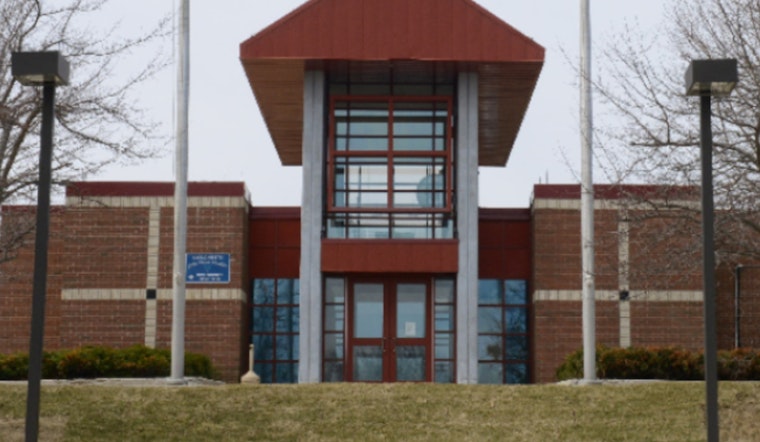
In response to the tragic death of a recruit last year during a training exercise, the Massachusetts State Police Academy is implementing a series of reforms. Enrique Delgado-Garcia, 25, succumbed to injuries sustained in a boxing training at the academy, sparking scrutiny and calls for change. The academy has now announced that it is dividing its next class into two smaller groups for increased individual attention and has suspended its boxing program, said Col. Geoffrey Noble, according to NBC Boston.
The move to split the class aims to provide recruits with a safer and more focused training environment, a significant shift from previous years, acknowledged by former Massachusetts State Police trooper and security expert Todd McGhee. On top of the curriculum, changes, David Pinkham, a 20-year veteran of the department, has been appointed as the new commandant, elevated to the rank of captain, as per information obtained by NBC Boston. The academy's training programs and methods are also under review by the International Association of Chiefs of Police, the police said, to ensure they align with safety and national standards.
Governor Maura Healey had previously directed the department to reassess its training practices, leading to these reforms. "Immediately following Enrique's tragic death, I ordered a comprehensive review of training policies at the academy," Healey stated, as mentioned in a report by WCVB. The review conducted internally and by the Independent Association of Chiefs of Police, intends to balance the physical rigor with recovery times, address attrition and injury rates, and evaluate the academy's organizational culture and leadership.
The Massachusetts State Police continues to stress their commitment to "ensuring our training environment fosters professionalism and excellence while prioritizing the health and well-being of our recruits," described Col. Noble. The department pledged to publish the findings from the IACP review, with Noble saying, "These new measures, including the IACP’s assessment, will enhance our training model, reduce attrition, and prepare troopers to meet the demands of modern policing," in a statement received by WCVB. As Massachusetts reckons with a past mired in moments of intense scrutiny over similar incidents, eyes are on the academy, watching as it steps into what is hoped to be a new era of safety and reform.





