

























































Amidst the resurgence of preventable diseases, the Colorado Department of Public Health and Environment, in collaboration with Denver's public health agencies and Denver International Airport, has set out to alert the public of a recent measles exposure linked to a traveler passing through Denver. According to DDPHE, the individual, who was confirmed to be infectious, transited Denver International Airport (DEN) shortly before heading to the Quality Inn & Suites Denver International Airport. The person arrived on the evening of May 13 and returned to the airport the following morning for a domestic flight. Direct contact individuals on the flights will be notified by their respective state or local public health agency.
The highly infectious nature of measles cannot be understated; it travels through the air when an infected individual coughs or sneezes and can linger invisibly for others to unknowingly encounter. The Centers for Disease Control and Prevention emphasize that the most effective method to not only protect one's but also to safeguard the community is to be vaccinated with the MMR (measles, mumps, and rubella) vaccine. In light of the recent potential exposures at the airport's international terminal, customs area, and several Concourses, as well as the hotel's lobby, elevator, and shuttle service between May 13 and 14, the health department advises increased vigilance for symptoms, particularly for those not vaccinated.
An essential playbook for Denverites potentially caught in the wake of this exposure has been laid out, centering on knowing one's vaccination status and getting vaccinated if not already done so. The official statement has pointed out, "If you are not vaccinated and are not planning to receive the vaccine, monitor yourself closely for symptoms. If symptoms develop, immediately contact your health care provider by phone," as obtained by DDPHE. They further extend assistance through the DDPHE public health nursing team for those with additional questions surrounding measles and vaccines.
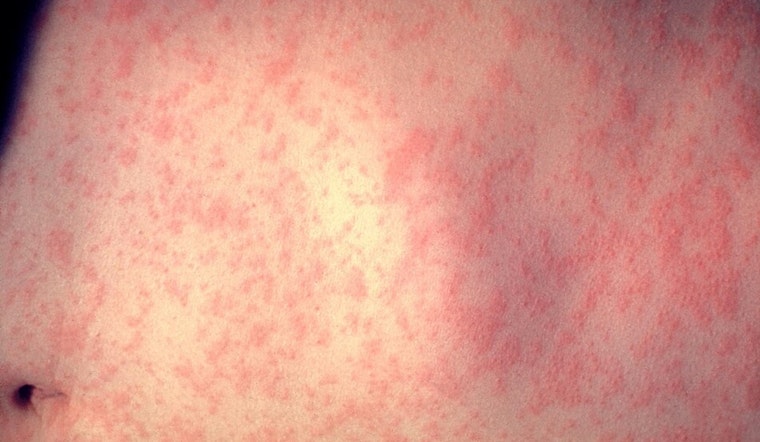
The symptomatology of measles is distinctive, with a high fever, cough, runny nose, red eyes, and a characteristic rash. Public health officials advise anyone who visited the specified locations during the exposure period to look out for these signs. If any emerge, reaching out to healthcare professionals by phone before visiting healthcare facilities in person is critical to prevent further spread.





