

























































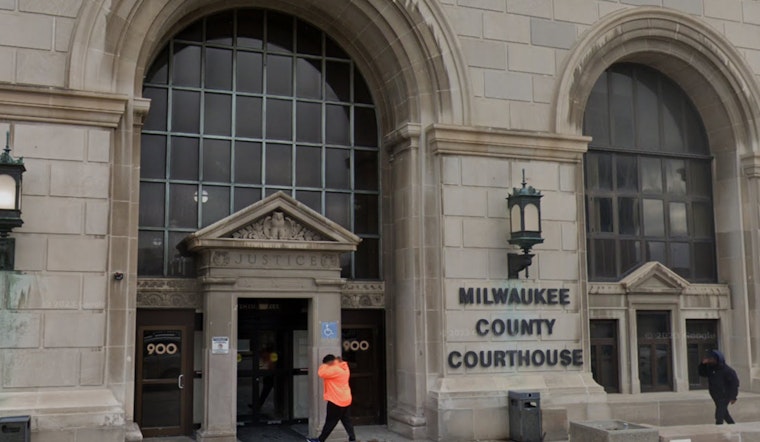
The legal drama enveloping Milwaukee County Circuit Court Judge Hannah Dugan has taken a new turn. After her recent indictment by a federal grand jury, Dugan's defense team has quickly acted, positioning judicial immunity as a shield against the federal obstruction charges levied against her. The indictment, which arrived on Tuesday, accuses Judge Dugan of aiding Eduardo Flores Ruiz, an undocumented migrant, to circumvent apprehension by immigration agents in her courtroom on April 18th, as reported by WISN 12 News.
A mere day after the indictment, Dugan's legal representatives filed a motion to dismiss the case, anchored in the claim of judicial immunity. Their stance, distilled through a 7-page filing, unequivocally states, "Immunity is not a defense to the prosecution to be determined later by a jury or court; it is an absolute bar to the prosecution," as cited by TMJ4. This swift counteraction underscores the urgency with which Dugan's team is contesting the legitimacy of federal charges against her judicial conduct.
Amidst this unfolding scenario Judge Dugan, who has been suspended from the bench and is not hearing cases currently, maintains her innocence. From a statement provided to WISN 12 News, Dugan's legal team voiced confidence in their client's exoneration asserting, "Judge Dugan asserts her innocence and looks forward to being vindicated in court." A court appearance has been scheduled for today.
The overarching narrative of Dugan's legal tussle has been further molded by a recent motion filed to reject the federal obstruction case based on grounds of judicial immunity, and federal overreach. The motion describes the prosecution's efforts as "virtually unprecedented and entirely unconstitutional" and emphasizes, the "immunity and federalism issues must be resolved swiftly because the government has no basis in law to prosecute her. The prosecution against her is barred," as outlined by jsonline.com. As Judge Dugan's plea is expected today, the legal community and public alike await the resolution of this conflict where the boundaries of judicial authority and federal enforcement are being rigorously examined.




