

























































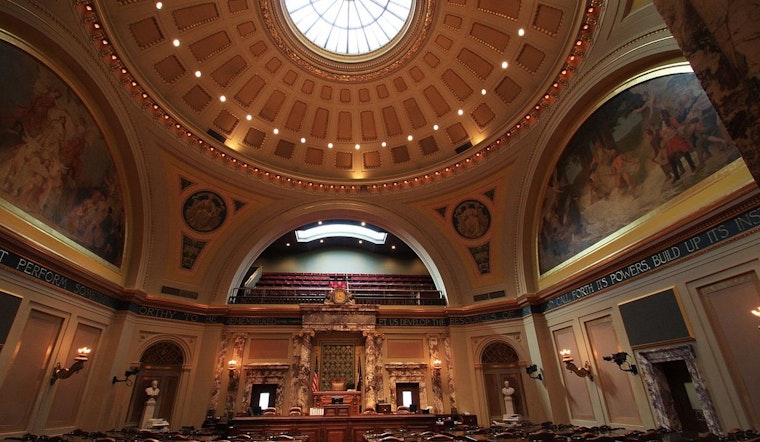
The Minnesota Senate has recently advanced legislation that seeks to bolster the operations of state agencies and strengthen public oversight, following negotiations led by Senator Tou Xiong. The bill, which centers on providing necessary adjustments to agency budgets in light of inflation and staffing challenges, also addresses issues in the Attorney General’s and Secretary of State’s offices, in addition to implementing new measures against business filing fraud, a statement from the Senator's office said.
Apart from funding for state agencies which aims to ensure they continue their work effectively for Minnesotans, the legislation embodies new provisions for the protection of business filings and the enhancement of election infrastructure; the bill also interestingly takes a cultural turn designating the Giant Beaver as Minnesota’s state fossil, these provisions reflecting a broad spectrum of bipartisan priorities. According to the Senate DFL website, Senator Tou Xiong expressed pride in the outcome, stating, "Today, I am proud we were able to come to an agreement that funds our state agencies and vital public services that many Minnesotans rely on."
The Minnesota Business Filing Fraud Prevention Act, which is a distinct segment of the bill, sets forth a procedure for individuals to report suspicious or allegedly fraudulent business filings, marking a step forward in regulatory oversight and protection against commercial fraud. The act is envisioned to be a practical tool in combating illegal activities that threaten the integrity of Minnesota's business environment. The fund allocation to the Attorney General’s Office includes added staffing and technological upgrades to fortify their role in complex criminal matters, as well as their advocacy for consumer rights and defense of small businesses, while funding for the Secretary of State’s Office underpins Minnesota's election systems.
In the culmination of bipartisan efforts, the conference committee report secured passage in the Senate with a vote tally of 36-31, from where it is anticipated to smoothly transition through the House of Representatives before reaching Governor Walz for final approval; such a trajectory of the bill signifies a political consensus on matters of governance often hard-won in these divided times. Senator Xiong’s work, as the chair of the Senate State and Local Government Committee, emerges as instrumental in crafting a budget framework that seeks to not only maintain state agency stability but also to usher in systemic improvements responsive to the ever-evolving civic, technological, and economic landscapes of Minnesota.





