

























































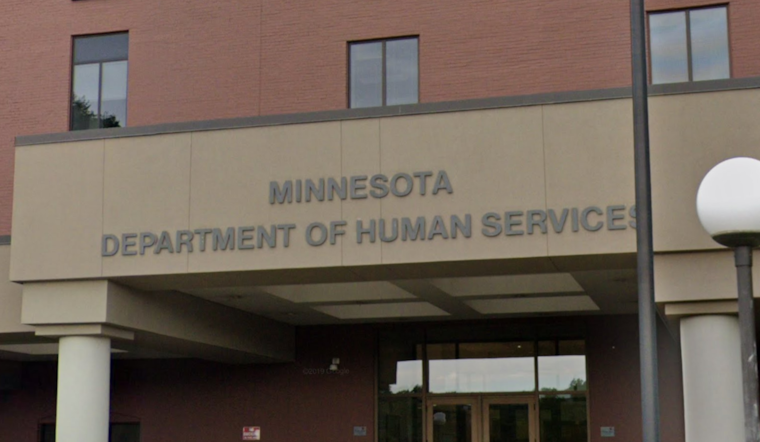
In a bold response to potential federal health care rollbacks, Senate Majority Leader Erin Murphy has championed the passage of a robust Health and Human Services (HHS) budget bill in Minnesota. The bill intends to bolster health care access against the backdrop of threats from President Trump and Congressional Republicans to cut support for millions. "The Health and Human Services Budget passed by the Senate today preserves health care for Minnesotans at the very same time Donald Trump and Republicans in Congress are trying hard to take it away from families across our state," Murphy stated in a release.
During the floor session where the bill was debated, Republican efforts were noted to dismantle healthcare provisions for immigrants who contribute to the Minnesota economy. According to statements from the Senate DFL, every Republican opposed an amendment supporting healthcare access for taxpaying immigrants. Murphy adds, "Their opposition to that program goes against the positions of doctors, hospitals, nurses, insurers, labor and faith groups."
Key elements of the Senate's HHS bill include initiatives to cut insurance premiums by 20% for Minnesota's market, measures for preventing Medicaid fraud, and substantial investment in emergency medical services. Premium subsidies aim to alleviate the financial burden on individuals, while an enhanced Program Integrity Oversight division is expected to root out Medicaid exploitation by fraudulent businesses.
Furthermore, the HHS budget bill allocates $12 million for nutrition aid, addressing food insecurity among families, seniors, and those with disabilities. It also puts forward a significant increase in ambulance service rates, by 15% generally and 25% for rural service providers. A dementia services program is another key feature promulgated to support affected individuals and their families with necessary care. These measures encapsulate the state's effort to strengthen health care systems despite what many view as an uncertain federal landscape. House-Senate negotiators are now left with the task of reconciling differences between the passed bills in each chamber.





