

























































Minnesota's agricultural landscape faces a new dawn as the Senate recently passed a bipartisan Agriculture budget bill aimed at bolstering the state's farm health, food security, and its response to avian influenza threats. The bill, championed by Agriculture, Broadband, and Rural Development Chair Aric Putnam (DFL-St Cloud), landed a decisive victory with a 43-23 vote on April 30. Putnam emphasized the gravity of current difficulties, stating, "Farmers always live with a lot of uncertainty, but extreme weather, the cost of inputs, animal disease emergencies, and an unreliable federal government have made it particularly hard to be a farmer today," according to a report from Senate DFL Minnesota.
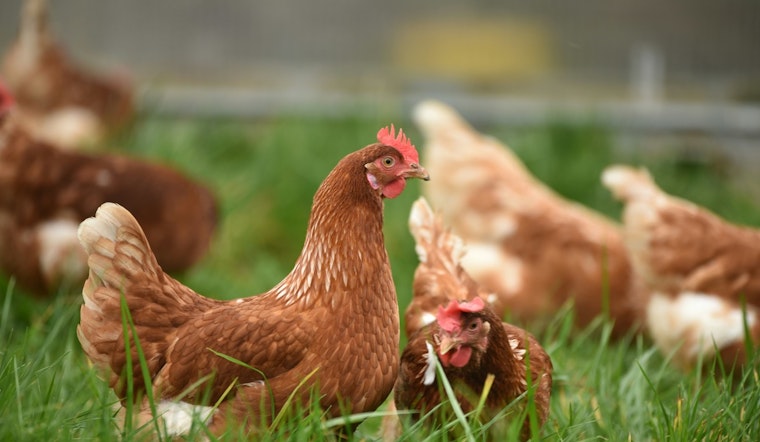
The bill seeks to comprehensively address several crucial issues. First to squarely face is the spread of avian influenza, which continues to rattle the poultry and dairy sectors. The bill steps in to fill the void left by the Trump administration's recent suspension of milk testing, an established method to quickly detect avian influenza. It provides grants for poultry producers, supports emergency response efforts, funds meat inspection enhancements, and seeks to broaden the Board of Animal Health's capacity.
As the state grapples with record-high visits to food shelves and soaring inflation, this bill fires back against federal funding cuts that have hamstrung food shelf support by injecting $1 million into the Local Food Purchasing Program. This initiative endeavors to purchase food from local farmers and distribute it throughout communities at no cost, thereby sustaining both the agricultural and consumer bases in Minnesota.
On the educational front, the Senate bill fortifies the Farm to School program with an additional $600,000, negating the effects of federal budget retrenchments. This bolstering ensures children have continued access to fresh, local meals and simultaneously props up the state's farmers. Additionally, the bill acknowledges the palpable stress farmers face—including the weight of extreme weather, market fluxes, and avian influenza—by earmarking $250,000 for critical mental health outreach and farm safety grants.
Having cleared the Senate hurdle, the agriculture bill's path to becoming law will next thread through a conference committee's hands. The groundswell of support for Minnesota's agriculture could mark a significant shift in state policy, ensuring the vibrancy of its farming communities in the midst of broader uncertainties.





