

























































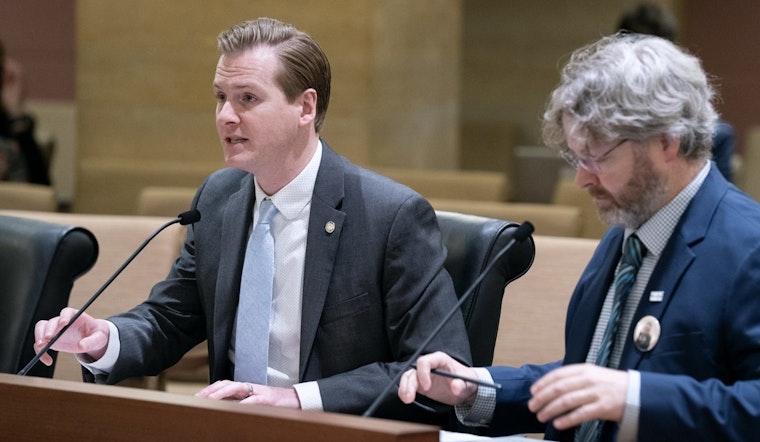
Minnesota Senator Grant Hauschild, known for his Blue Dog Coalition affiliation, gave his nod to bipartisan amendments aimed at refining the state's Earned Sick and Safe Time (ESST) law, a legislation originally put in place back in 2023. This legislative maneuver is deemed to bring balance, taking into account the plights of small businesses, schools, and local officials while ensuring that workers’ rights to sick leave remain intact.
Under the banner of SF 2300, the ESST law has been tweaked to better align with the day-to-day realities faced by small enterprises. One key reform included aims to exempt small businesses and family farms from the grips of the law. In efforts to practically address concerns, the law has also modified statutory sick leave provisions, limiting strict documentation requirements and compulsory substitute coverage to the initial 160 hours of employee sick time annually. Hauschild is on record stating these changes "make the law more workable," according to a Senate DFL report.
"Minnesota should be a state that works — for workers and job creators alike,” Hauschild said in a statement preserved by the Minnesota Senate DFL website. Cognizant of the balancing act required to protect employees’ well-earned sick time and the intricacies of policy execution by those at the coal face, Hauschild's vote echoes his commitment to constructive policy-making.
This revision comes not to erode worker protection but rather to streamline legislative engagement between workers and their employers post the first 160 hours of utilized sick time. Moving forward, employers may tailor any additional sick leave in accordance with internal workplace policies or collective bargaining agreements. Beyond the established threshold, the new provision allows a bit more flexibility for businesses to manage their own sick time practices, stated Senator Hauschild, who his constituents have come to know as a moderate with a pragmatic legislative approach.
Hauschild has been at the forefront in championing bipartisan cooperation to effectuate practical legislative refinement, reflecting his acumen in recognizing and meeting the needs of both Minnesota’s workforce and its employers. This recent vote by the senator not only upholds the value of fairness and hard work but also reinforces his vision for a Minnesota flourishing in business growth, community success, and robust support for working families.




