

























































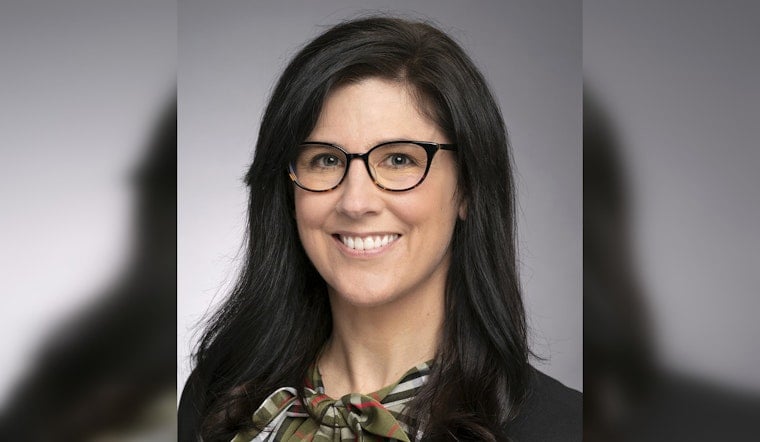
In Minnesota, the tussle between aspiration and inaction takes center stage as Senator Heather Gustafson calls out the House for its failure to pass the Inspector General Bill, a situation that embodies the often frustrating machinations of governance. Gustafson, representing Vadnais Heights, expressed her discontent after the bill gained traction in the Senate but hit a roadblock in the House, despite majority support there—it fell short of the supermajority needed due to House rules, as detailed in a statement released on the Senate DFL website.
Showing signs of bipartisan favor, the bill intends to establish a new Office of the Inspector General (OIG), aimed at safeguarding taxpayer dollars and ensuring accountability within state agencies, yet House DFL members did not deliver the necessary votes to advance the measure, leaving progress stranded this close to the finish line. "Minnesotans deserve a government that protects their tax dollars, cracks down on fraud, and restores public trust," Gustafson said in a statement, an echo of public sentiment longing for tangible outcomes over procedural standstills.
The proposed watchdog entity is not born from the influence of lobbyists or the whispers of special interest groups but is a product of direct concern from constituents who, Gustafson says, expect "basic accountability" from their government. The creation of the OIG, she argues, is not only a response to public demand but a financially sound move in a budget year where every dollar counts, Gustafson emphasized in her remarks on the importance of ensuring fiscal responsibility, saying, "Fraud is expensive—and in a budget year where resources are limited, we have a responsibility to make sure every dollar reaches the people and programs it’s intended to help."
While the proposal for the OIG comes to bolster accountability and reduce fraud, the legislative process has exhibited the all-too-familiar dance of policy making, where consensus meets challenge, ideas embrace objections, and progress requires persistence, yet the bill promises to more than offset its establishment costs through the detection and prevention of misuse in public funding. Senator Gustafson underscored her commitment to "finish it," urging her colleagues in the House to overcome their hesitations and act in the public interest. "We’ve worked closely with colleagues and stakeholders to craft a balanced, forward-looking policy. Concerns have been addressed in good faith, but ultimately, accountability shouldn’t be controversial," she added. The public's patience for bureaucracy runs thin, and as Gustafson nudges her counterparts in the Lower Chamber, the demand for action grows louder in the North Star State.



