

























































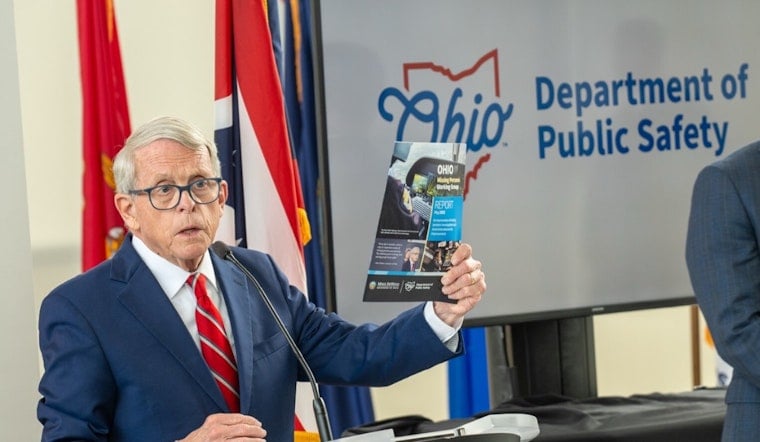
In response to the disquieting number of missing persons cases strewn across Ohio each year, Governor Mike DeWine, alongside Ohio Department of Public Safety Director Andy Wilson, has rolled out a strategic set of recommendations aimed at enhancing the state's approach to these investigations. This initiative, which unfolds a roadmap comprised of over a dozen key improvements, stems from the Ohio Missing Persons Working Group, established by DeWine in January to dissect the multifaceted nature of such cases, according to a news release on the governor's official website.
"Thousands of children and adults are reported missing each year, and although most are located quickly, some simply vanish, leaving anguished families behind and adding to law enforcement's growing caseload," DeWine expressed through Ohio Governor Mike DeWine official website, underscoring the torment and uncertainty that families endure and the escalating pressure on law enforcement agencies. The purpose of this collaborative body, which features the insights of law enforcement officials, advocates, affected family members, and educators, was not merely to examine the problem, but to actively seek pathways to alleviate the anguish and improve the system's effectiveness, said Governor DeWine in the announcement.
A closer inspection of the group's recommendations reveals a comprehensive focus on bolstering the information exchange among police forces, ensuring transparent communication with families in the throes of heartache, advocating continuous professional development, and reinforcing the importance of public awareness and advocacy. Evidently, these recommendations, numbering 18, offer a mix of immediate and long-term strategies, driven by the working group’s extensive review of pain points and potential improvement in the management of missing persons reports.
While the breadth of the proposed changes indicates a commitment to tackling this state-wide issue head-on, the fruition of these plans depends largely on the meticulous application of these 18 areas of improvement, and the accrued support from various stakeholders in the criminal justice and social services spheres; moreover it also depends on the community level support that this initiative requires to be successful in translating paper solutions into tangible reality. The essence of the working group’s work reflects a dedication to ensuring that not another nameless face falls through the cracks of a system grappling with the specter of the unknown, the agony of families hanging on to the slenderest of threads, hope.
This sweeping response to Ohio's missing persons crisis not only exemplifies the administration's sensitivity to the societal wound inflicted by disappearances but also emphasizes their resolve to mend the fissures within current investigative processes. It remains to be seen how these recommendations, once put into action, will shift the landscape of missing persons investigations in Ohio and whether they can truly deliver solace and much-needed answers to those who find themselves caught in the agonizing limbo of waiting, hoping, and not knowing.





