

























































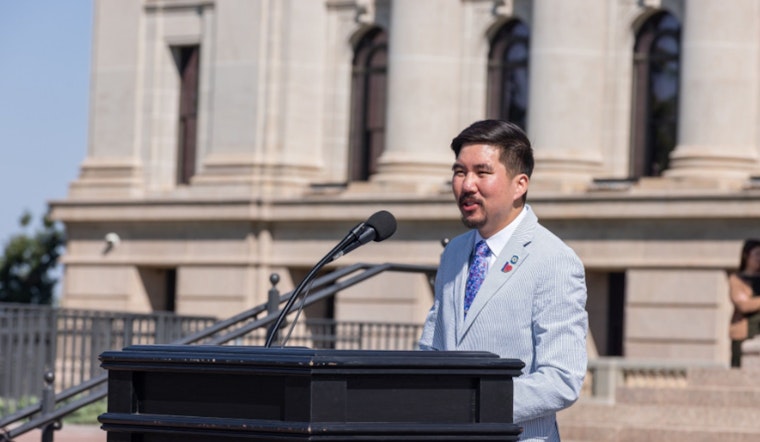
Oklahoma's firefighters are a step closer to receiving a financial leg-up for cancer screenings, a critical issue given their higher risk of cancer, rooted in their lifesaving work, a move spurred by the legislative progress of House Bill 2011, also christened the "Fighting Chance for Firefighters Act," is now on its final approach to the governor's office after securing a decisive House vote, as reported by the Oklahoma House of Representatives.
The bill, championed by Rep. Daniel Pae, R-Lawton, presents a calculated response to the ominous shadow cast by cancer over the firefighting community, and it proposes an annual tax credit of up to $250 to buffer the financial weight of cancer detection procedures not covered by insurance and this benefit could potentially roll out in tax year 2026 with the possibility to extend over the course of five years, according to the Oklahoma House of Representatives.
In his impassioned advocacy, Rep. Pae did not mince words, emphasizing that Oklahoma's firefighters, renowned for their recent battle against the relentless wildfires, deserve undeterred support for the latent health challenges that follow their valorous feats, which do indeed persist beyond the extinguishing of flames, as stated by the Oklahoma House of Representatives.
Highlighting the virulent adversary that cancer represents in this context, amplified by Firefighters' perpetual dance with smoke, diesel exhaust, and a litany of other carcinogens inherent in their line of work, this act becomes an ode to their silent sacrifices; for the fiscal years stretching beyond 2027, the bill also meticulously includes a fiscal safeguard, capping the total tax credits to control the impact on state revenue to $1.5 million each year and the method for this adjustment would be dependent on the aggregate of credits claimed two years prior, as delineated by the Oklahoma House of Representatives.
The current trajectory of House Bill 2011 holds an overwhelming consensus, as seen in the 80-2 vote affirming the Senate amendments—a clear display of bipartisan coalescence—and now the anticipation mounts for the governor's pen to cement this initiative in state law, according to the Oklahoma House of Representatives.





