

























































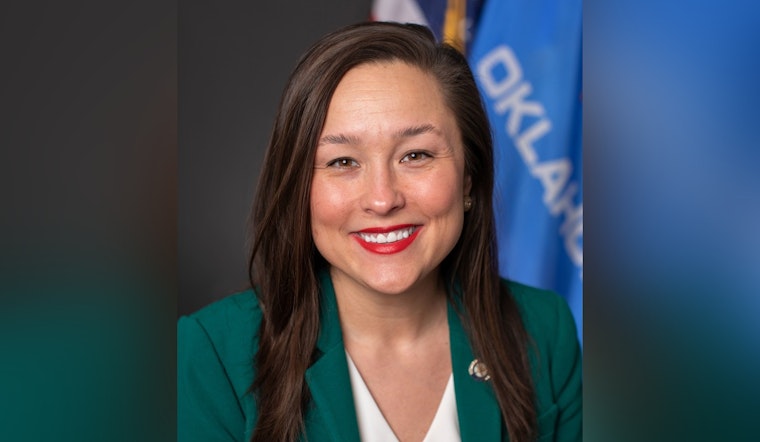
Oklahoma's legislature has passed a bill that aims to directly address the long-term consequences of wrongful convictions in the state. Authored by House Democratic Leader Cyndi Munson, D-Oklahoma City, House Bill 2235 was recently signed into law, substantially increasing the compensation for those who have unjustly lost years of their lives behind bars. The law, scheduled to take effect on July 1, reflects a commitment to improving the state's criminal justice system by providing financial reparations to the wrongfully convicted.
According to a post from Oklahoma House of Representatives' official site, Munson expressed both satisfaction and disappointment in the recently passed legislation. "This is a big win and step in the right direction for reforming Oklahoma’s criminal justice system," Munson said. However, the governor's line-item veto, which denied health care and tuition benefits for exonerees, was a point of contention. "While I am disappointed the Governor line item vetoed the ability for a wrongfully convicted person to access health care and tuition benefits, I am still committed to working together to help Oklahomans access those benefits," she asserted.
The bill's bipartisan support hints at a shared understanding across political lines that wrongful convictions represent not only a failure of justice but an enduring blemish on the lives it touches. The new compensation measures strive to mitigate some of the damages wrought by such convictions, acknowledging the impossibility of truly rectifying stolen time but endeavoring nonetheless to restore some measure of dignity and stability to those affected.
Despite the strides made with HB 2235, Leader Munson and her supporters are poised to continue fighting for additional provisions. "They are both key to growing and sustaining our workforce, especially for those who were wrongfully incarcerated," Munson told the Oklahoma House of Representatives regarding the importance of health care and education benefits. The ongoing efforts reflect a deeper commitment to not just compensate but to holistically support individuals as they attempt to reintegrate into society.





