

























































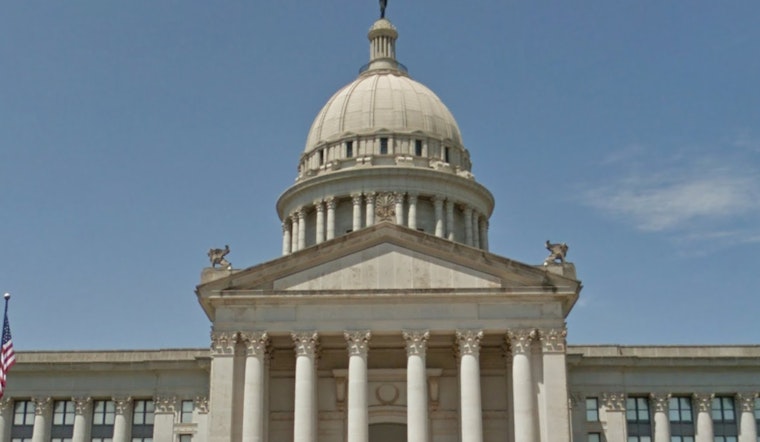
Oklahoma's Senate has recently given the green light to the formation of a task force entitled the "Rethinking Paying Subminimal Wage to Persons with Disabilities Task Force." The group's purpose is to map out a strategy that will end the long-standing practice of paying subminimum wages to Oklahomans with disabilities under the federal 14(c) waiver system. Senate Democratic Leader Julia Kirt is the driving force behind House Bill 1833, which cleared the Senate with strong support.
In a statement reflected by the Oklahoma State Senate's press release, Kirt noted the substantial employment gap existing between eligible adults with disabilities and those without in Oklahoma. Kirt emphasized that, for decades, the federal government has sanctioned lower wages for people with disabilities to boost their employment prospects. "That will be ending," Kirt pointed out. Her remarks shine a light on the task force's mission: to rally both the public and private sectors behind a common cause, transitioning toward equitable pay.
Planned to run through November 1, 2027, the task force isn't just bipartisan ornamentation—it's a signal of intent. It will be comprised of representatives from a spectrum of businesses, nonprofits, and advocacy groups. Collaborative spirit in tow, all will be focused on how best to ensure Oklahomans with disabilities can secure jobs that offer a living wage. Rep. Ellyn Hefner, also from Oklahoma City and the House principal author of the legislation, echoed Kirt's sentiments. "Integrated employment in our communities is what’s best for all of us," she said, as mentioned in the same press release.
Kirt described the move as a strategy to unite stakeholders in developing a framework that ensures, as Hefner stated, “Oklahomans with disabilities can get paid living wages across the state,” according to the Oklahoma State Senate.


