

























































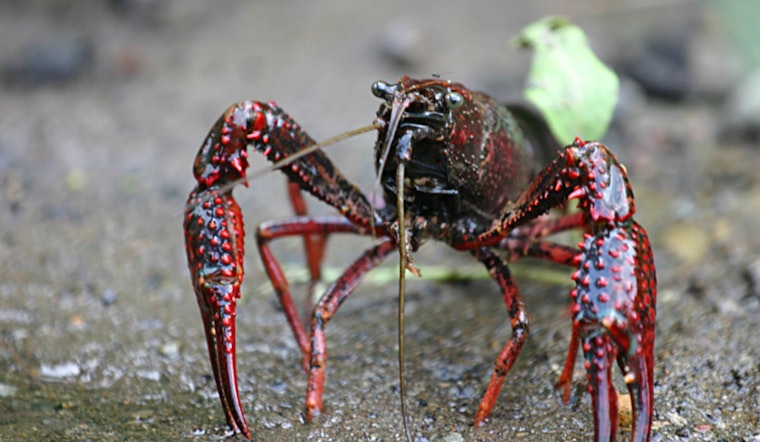
In a significant environmental protection effort, two online aquatic animal dealers were convicted across eight counties in Wisconsin. These convictions stemmed from the companies' shipments of invasive crayfish species into the state, despite repeated warnings from the Wisconsin Department of Natural Resources (DNR) about the risks and legal issues involved.
According to a release by the DNR, the legal actions against the North Carolina and Indiana-based suppliers culminated in March and April 2025. Both companies faced 20 citations each for violating regulations meant to prevent ecological harm caused by non-native species. The first company was slapped with citations across Barron, Brown, Chippewa, Marinette, Milwaukee, Sauk, Sheboygan and Washington counties. The second, however, was convicted for the same number of citations, but exclusively in Brown County Circuit Court.
These convictions trace back to an initiative two years prior by the Great Lakes Fishery Commission Law Enforcement Committee. The committee aimed to educate suppliers of aquatic species on the dangers of invasive species and the application of state laws. Nonetheless, despite the educational outreach efforts, the suppliers continued their illegal shipments into Wisconsin, prompting the DNR to take enforcement actions.
Lt. Robert Stroess, DNR Administrative Warden and leader of the Aquatic Species in Trade Enforcement Program, underscored the importance of adhering to state laws meant to protect local ecosystems. "In addition to companies learning the Wisconsin laws, we also advise consumers, whether they're buying for a crayfish boil or for educational purposes, to educate themselves about the legal species and the companies with whom they place orders," he said in the DNR statement.
Investigations by DNR Conservation Wardens Sam Haferkorn of Milwaukee County and Ryan Caputo of Dane County revealed illegal shipments of invasive crayfish by the defendants. These invasive species are considerable threats due to their potential to spread disease, outcompete native crayfish, and incur high remediation costs once established. Back in 2009, an eradication effort for red swamp crayfish in Germantown's retention ponds cost about $800,000, demonstrating the financial impact of managing invasive species.
Wisconsin law permits only a handful of native crayfish species for trade, including Devil crayfish, Calico crayfish, Northern Clearwater crayfish, Virile crayfish, White River crayfish, and Prairie crayfish.





