

























































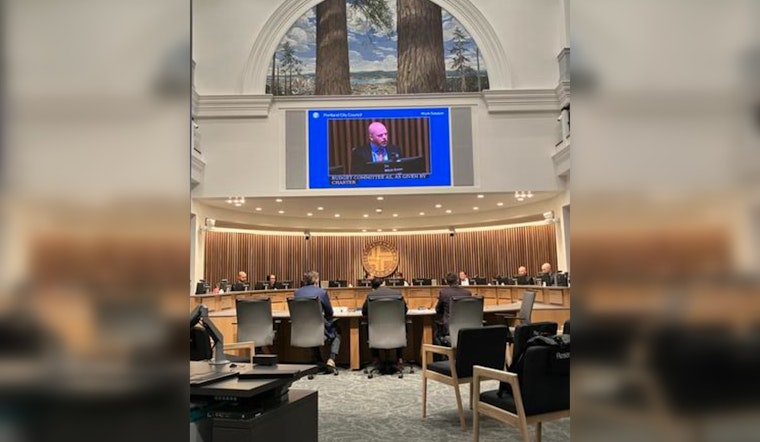
In what can only be termed a bold move amid financial upheaval, Portland City Councilors Mitch Green and Jamie Dunphy have proposed a budget amendment that could bring profound changes to how the city invests in its economic development arm, Prosper Portland. According to a press release issued by Councilor Mitch Green, the amendment aims to zero out the city’s $11 million general fund grant to Prosper Portland, compelling the agency to fund its operations through its $50 million Strategic Investment Fund.
The push for realignment surfaces as Portland grapples with an unprecedented budget shortfall that is demanding austerity measures across the board. "Prosper has brought us a budget that is out of alignment with the City’s priorities right now," Councilor Green explained, advocating for the tightening of public spending belts in light of the city's homelessness crisis and other urgent social concerns, as mentioned in the same press release. This amendment would ensure the $11 million in question is put back into the General Fund for key needs like maintaining city parks, restoring small business grants, and bolstering economic recovery for BIPOC communities.
Scrutiny of Prosper Portland has grown recently, with critics questioning its transparency and effectiveness. The agency, which functions as a quasi-public entity, manages significant funds with seemingly insufficient oversight, with approval from the City Council being the predominant check-and-balance, per the Portland City Charter. At the heart of the matter is how Prosper Portland has allegedly favored large developers and well-connected businesses over equitable community development. "I remain deeply concerned about Prosper Portland’s role as the City’s economic development agency," Councilor Dunphy was recorded stating at the hearing, as reported by the City of Portland.
Calls for change have echoed from various corners of the community, shaping the dialogue around Prosper Portland's future. Amanda Pham Haines, statewide housing justice manager at Unite Oregon, urged for investments that do not "reinforce the same cycles of displacement that Portland’s urban renewal policies have historically created." Similarly, Tyler Fellini, executive director of Portland Jobs with Justice, stated that Prosper Portland "increasingly resembles a slush fund for the City’s business elite," according to their testimony at a recent committee meeting, as noted by the city's official website. These assessments amplify the growing call for an economic development model that prioritizes broad-based prosperity over private profiteering.
The City Council, which also convenes as Prosper Portland’s Budget Committee, is consequently faced with a seminal decision: approve or amend the Mayor’s Proposed Budget. The forthcoming budget approval on May 21 could signify a seismic shift in the city's fiscal governance. Councilors Green and Dunphy's amendment accentuates the profound authority of the council under the City Charter to regulate Prosper Portland's budget—a power that previous councils have approached with hesitation but one that may soon be firmly wielded in an era demanding accountability and equitable investment.





