

























































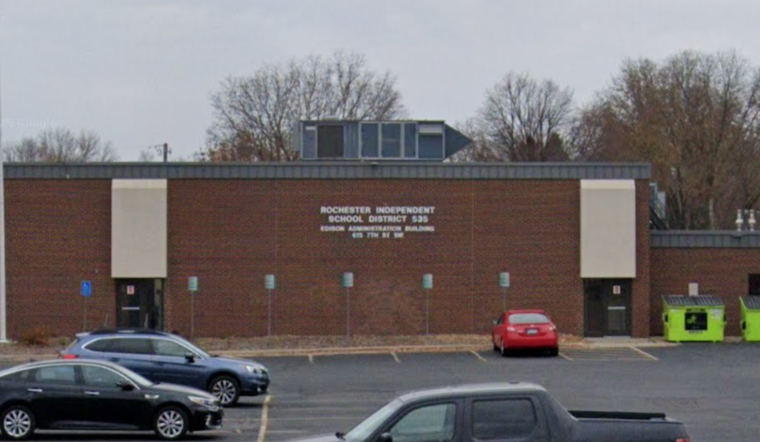
The recent revocation of a $1.9 million federal grant by the Trump administration has left Rochester Public Schools reeling, as the funds were allocated for essential mental health services within the district. The grant, which was awarded two years ago, was aimed at training and licensing current staff to provide students with vital counseling and health services. The Trump administration cited the use of language around diversity, equity, and inclusion as the rationale for withdrawing the grant.
Senator Liz Boldon (DFL-Rochester) voiced her concerns, criticizing the administration's decision. "Yet again, Donald Trump is attempting to take from our students in order to pay for tax cuts for his ultra-wealthy buddies. These repeated attacks on our students are despicable," said Boldon in a statement obtained by the Minnesota Senate DFL. Highlighting the heightened need for such services in light of the stressors imposed by social media and current events on students, she further called for bipartisan support in opposition to the grant's cancellation.
Rochester Public Schools are not standing down without a fight. The district has indicated plans to appeal the decision. The removal of these funds threatens to undermine the support systems in place for youth facing mental health challenges, at a time when such support has arguably never been more critical.
The political tug-of-war over this issue raises questions about national priorities and the consequences of policy decisions on the ground. As Senator Boldon put it succinctly, "It’s far overdue for Republicans to join us in standing against these actions, and standing up for our students’ mental health – something that they’ve claimed they care about in the past." This story serves as a stark reminder of the continuing debate and struggle over the allocation of resources in the realm of public education and mental health services.



