

























































The San Diego Police Department (SDPD) has successfully eliminated its backlog of Sexual Assault Evidence Kits (SAEKs), processing and testing all outstanding kits. The achievement, which brings the department well ahead of the state-mandated 145-day testing timeline, marks an important step towards supporting survivors of sexual assault and aiding the prosecution of offenders, as reported by the City of San Diego.
The backlog clearance results from significant investments in the department's Crime Lab, including training, technology advancements, workspace upgrades, and workflow improvements. Making strides since the enactment of California Senate Bill 22 in 2019, which set forth new requirements for the timely analysis of these kits, SDPD has worked through a sizeable backlog in three phases. The 450 SB 22-mandated kits from 2016-2019 were processed by December 2021. Following these, 1,350 "historical" kits dating before 2016 were tested and completed by October 2024. The remaining 873 kits from 2020 to 2024 were cleared by November 2024.
In the fight against a concerning issue of untested evidence in sexual assault cases, the SDPD transitioned the workload in 2020 to Bode Cellmark Forensics, a contracted laboratory, to hasten the pace. In parallel, the department was building the capacity to bring future testing in-house. This diligent work and the leveraging of outside resources resulted in not only meeting the SB22 mandate but setting a new standard for SAEK processing times.
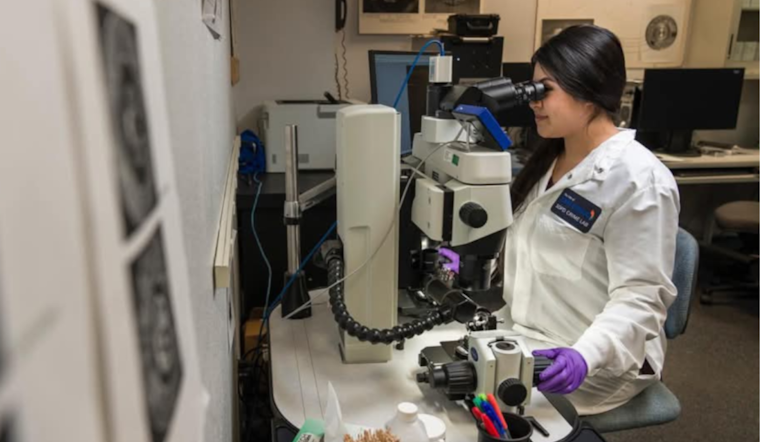
After years of effort and refinement, the SDPD’s Forensic Biology Unit officially resumed responsibility for SAEK testing in November 2024, a transition noted by the City of San Diego. Since taking over, the unit has completed 129 kits and averages processing 22–23 kits per month, keeping up with new cases and ensuring no backlog. This operational upturn was highlighted at a City’s Public Safety Committee meeting, crediting the sustained efforts of the City Council and the dedicated Crime Laboratory team.





