

























































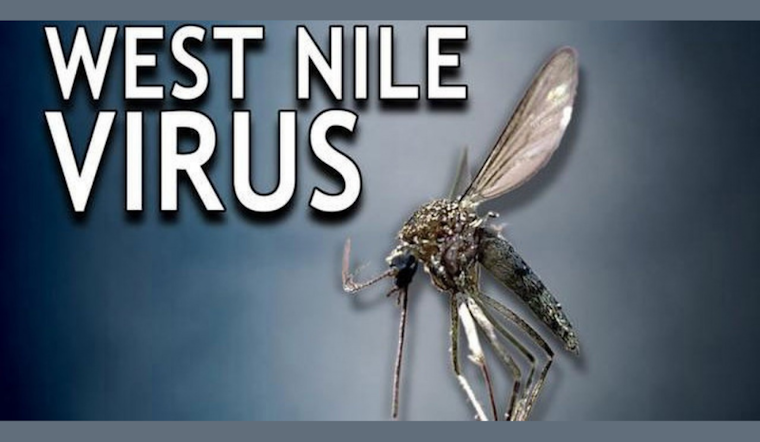
Heads up, Tarrant County residents: West Nile Virus season is again upon us. Tarrant County confirmed the year's first mosquito sample testing positive for the virus. The discovery was made during standard surveillance, sounding the alarm for heightened vigilance as temperatures rise.
The prime time for the virus, which is known to spread quickly through mosquito bites, typically runs from May through October. This is when these pesky insects are bustling with activity, and the risk to the public begins to spike seriously. For the majority who contract it, West Nile remains silent, showing no signs of intrusion into their health. However, about 20% are not so lucky, experiencing symptoms ranging from fevers and headaches to joint pains and body aches.
While the odds seem in favor of a symptom-free bite, it's those rare, severe cases that are cause for concern — ones that strike the nervous system or brain with potentially devastating effects. To stave off the bite and lower your chances of falling ill, Tarrant County Public Health officials are advocating a few simple, but crucial, steps. These include: consistently applying EPA-approved insect repellent when outdoors, dressing in loose long sleeves and pants during the times when mosquitoes are at their most voracious — dawn and dusk — and removing or treating any standing water, no matter how small, to interrupt the mosquito breeding cycle right in your backyard.
It's certainly not the most convenient summer routine, but it beats becoming a host to the virus. Residents are also advised to regularly stay indoors during peak mosquito activity if they want to significantly reduce their risk of exposure. Remember, mosquitoes don't require much; just a teaspoon of water is enough to multiply and potentially spread the virus. Proactive measures can go a long way in keeping this summer nuisance at bay.
Keep following the updates from local health authorities and take the advised precautions seriously.





