

























































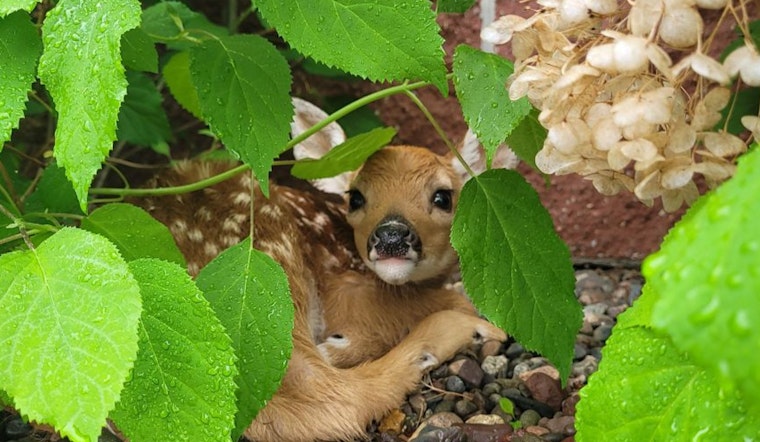
As the spring warmth cradles Wisconsin's landscape, residents and hikers are likely to encounter fawns, the epitome of innocence in the wild. The Wisconsin Department of Natural Resources (DNR) urges people to remember that these young creatures are often intentionally left alone by their mothers and should not be disturbed. In an announcement released yesterday, the DNR emphasized the importance of keeping a respectful distance from these white-tailed deer fawns to ensure their best chance for survival in their natural habitat.
In the early stages of life, fawns rely on their spotted coats to camouflage and their minimal scent to stay hidden from predators, as they are not immediately able to keep pace with their mothers. Jenna Fastner, DNR captive wildlife health specialist, shared that “Young fawns are often left alone for most of the day to keep them safe.” According to the DNR release, deer are more active at dawn and dusk, which can mean lengthy periods where fawns remain unaccompanied. By Independence Day, it's common to see these young deer more actively following their mothers.
When encountering a seemingly healthy fawn by itself, the DNR instructs not to touch it or disturb it in any way. Observers should also avoid attracting attention to the animal, as the presence of people or pets can prevent a mother deer from returning. The natural behavior of these animals is best supported by giving them space and ensuring they aren't fed by humans. Non-native foods can cause serious nutritional issues that might lead to deformities or even death.
“If you encounter a fawn that appears sick, injured or is in an unsafe location, record what you are observing from a distance and take photos or videos if you are able to do so safely,” the DNR advises. After documenting, contact the DNR or a certified wildlife rehabilitator for assistance. It is illegal in Wisconsin to keep a wild animal as a pet or to provide unlicensed rehabilitation—only those with proper licensing should attempt to nurse wildlife back to health.





