

























































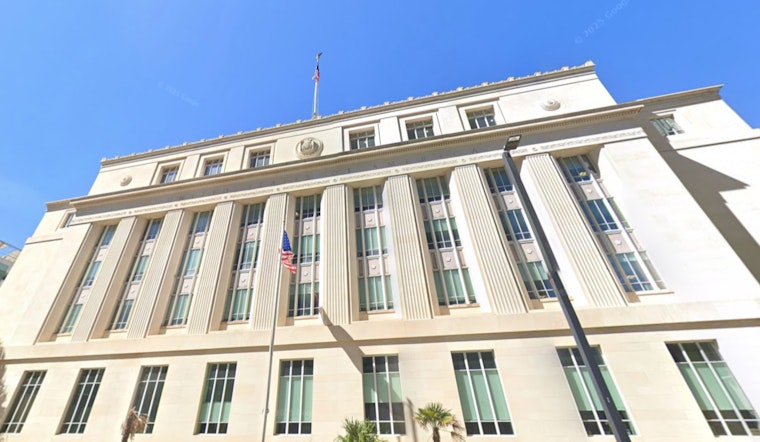
The legal battle over Confederate monuments in Jacksonville reaches a new apex as the 11th Circuit Court of Appeals listens to arguments in the case of Earl M. Johnson Jr. v. Governor Ron DeSantis and Mayor Donna Deegan, with potential to settle a dispute that's been simmering for years. Earl Johnson Jr., a local civil rights activist and the son of Dr. Martin Luther King Jr.'s attorney, originally filed the lawsuit in 2021 against the State of Florida and the City of Jacksonville. Johnson's claim, as reported by First Coast News, is that the Confederate monuments on public property amount to a racial discrimination that violates the U.S. Constitution and the Civil Rights Act of 1964.
During a rally outside of the courthouse, activists echoed the sentiments of the legal action, emphasizing the perceived impact of these monuments. As reported by News4Jax, Kelly Frazier, president of the Northside Coalition of Jacksonville, told attendees, "When you know better, you do better." Reverberating through the crowd, his words bolstered the notion to maintain a progressive push for Jacksonville to remove its contentious monuments, setting a precedent for the rest of Florida.
Johnson's lawsuit pointed out the presence of 47 different named tributes to the Confederacy in the Middle District of Florida, including names of streets, parks, and even counties. Expressing his position, Johnson told First Coast News, "When I walk into a park that has a tribute to the Confederacy, that is demeaning me as an American, making me less than human, less than a second-class citizen."
The lawsuit had been previously dismissed in June 2023 by U.S. District Judge Marcia Morales Howard on the grounds that Johnson had no standing. As contributing factor to his appeal, even following the removal of the 108-year-old Tribute to the Women of the Southern Confederacy from Springfield Park, he maintains that the monuments' mere presence constitutes a "stigmatic injury that is real," according to Jacksonville Today. Despite the legal setback, the activist community is rallying behind Johnson, showing a resolve that the fight against what they see as symbols of a racialized past are far from over, and are holding the narratives that shaped Jacksonville's landscapes accountable.





