

























































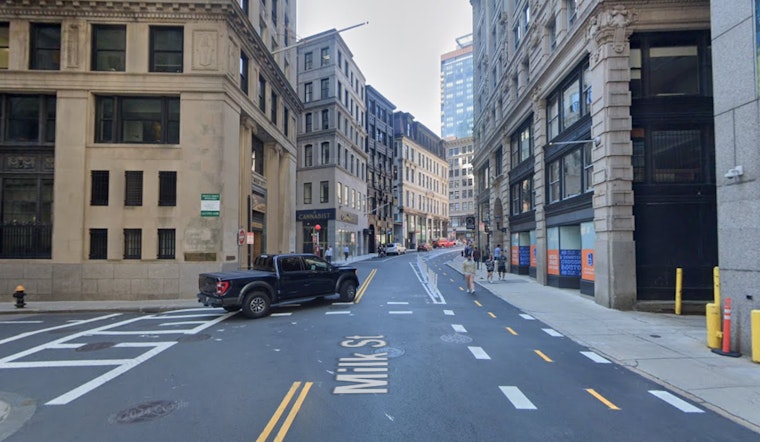
The landscape of downtown Boston is set for a transformation as the Healey-Driscoll Administration earmarks $7.4 million to repurpose vacant office spaces into residential housing. This initiative will bring nearly 200 new units to the heart of the city. According to an announcement made by the state, 31 Milk Street is slated to receive $4 million for the creation of 110 rental units, 22 of which will be dedicated as income-restricted. Additionally, 15 Court Square has been granted $3.4 million to develop 80 more rental spaces, with 16 earmarked as income-restricted.
Massachusetts Governor Maura Healey emphasized the urgency of tackling housing costs. "We need to build more housing across the state to lower costs for everyone. That’s why I directed my administration to identify every resource already available to us that could be turned into housing," Healey stated on Mass.gov. The program builds on an earlier initiative, in which the administration identified state-owned lands suitable for housing development, with the potential to create 3,500 new housing units.
The pivot to convert offices to homes is tied into the Affordable Homes Act, which backed the creation of the Commercial Conversion Program. Lieutenant Governor Kim Driscoll described these conversions as "transformative" for community main streets and downtowns, supporting increased residency options, renewal of the tax base, and driving customer traffic to local businesses.
Boston Mayor Michelle Wu lauded the state's financial commitment, noting to Mass.gov, "This partnership will create more than just housing in the heart of Downtown, it creates another opportunity for more families to call Boston home." Wu added that the projected housing from current office-to-residential conversion plans would facilitate the construction of nearly 200 units by the year's end, boosting downtown activity and support for local small businesses.
The Healey-Driscoll Administration is towing a continuous line with its housing agenda, having announced the sale of surplus state-owned property earlier and ensuring 75% of MBTA communities have adopted multifamily zoning. The shift towards multifamily housing has added over 4,000 units to the development pipeline, attesting to the state's commitment to addressing housing accessibility and affordability.





