

























































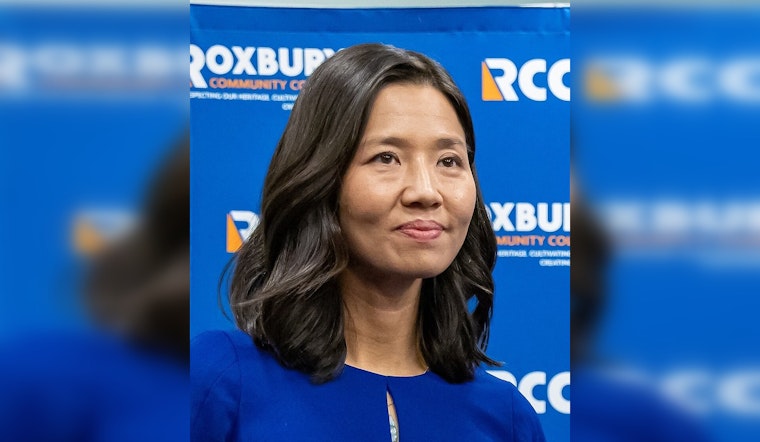
In an executive move aimed to pierce the veil of opacity that has come to typify immigration enforcement under the Trump administration, Boston Mayor Michelle Wu took a definitive stance this morning. According to Boston.com, Wu's administration will formally request information from the federal government on ICE arrests within the city bounds. Her action follows reports of arrests conducted with an almost spectral secrecy, where agents wear masks, refuse to identify themselves, and fail to share detainee information.
This call for transparency comes amidst a backdrop of fear that has gripped immigrant communities across Boston. At a press conference, Wu accused ICE of wielding "secret police tactics," a phrase she had used previously, which had sparked contention among federal authorities. She stressed the contrast between local and federal law enforcement, stating, "In Boston, our officers wear badges, they do not routinely wear masks. We are clear about the reasons for potential arrests or interactions," and continued to assert that she expected "the same standards from law enforcement operating in the city, no matter what agency they are from," according to Boston.com.
The mayor has signed an executive order pushing for regular submissions of Freedom of Information Act requests to the Department of Homeland Security regarding ICE's activities in the city. The city officials aim to learn who is being detained and on what grounds specifically. Expressing concern, Wu mentioned numerous reports of federal agents arresting individuals without due process rights, causing property damage, and querying residents about immigration status based on their ethnicity.
Mayor Wu has underscored the need for enhanced communication between the city's authorities and the consular offices representing other countries in Boston, a relationship that might offer a lifeline to immigrants seeking information about detained family members. As noted by MassLive, Lenita Reason, executive director of the Brazilian Worker Center, conveyed the anxieties of these communities, when she shared that the executive order was "huge" for them, reflecting a collective yearning for timeliness and clarity when kin are spirited away.
The steps taken by Mayor Wu might be symbolic for some but represent a tangible striving for accountability and transparency in a system that residents and city officials alike find increasingly opaque and unyielding. While the city's power to effect change in federal operations is indeed limited, Wu's resolve in challenging the status quo sends a clear message. Defiant in the face of past backlash from federal officials, Wu seemingly remains steadfast, embodying a resistance against what is viewed by many as disruptive and opaque enforcement tactics.
The struggle between local jurisdiction and federal authority continues to manifest in the realm of immigration policy, and Boston's pushback, as helmed by Mayor Wu, exemplifies the tensions of our time. Her continued advocacy for 'sanctuary policies,' and her public scrutiny of the Trump administration's aggressive immigration enforcement, projects a mayoral commitment to safeguard the trust and safety that she believes are at the core of a functional and just community.




.jpg)