

























































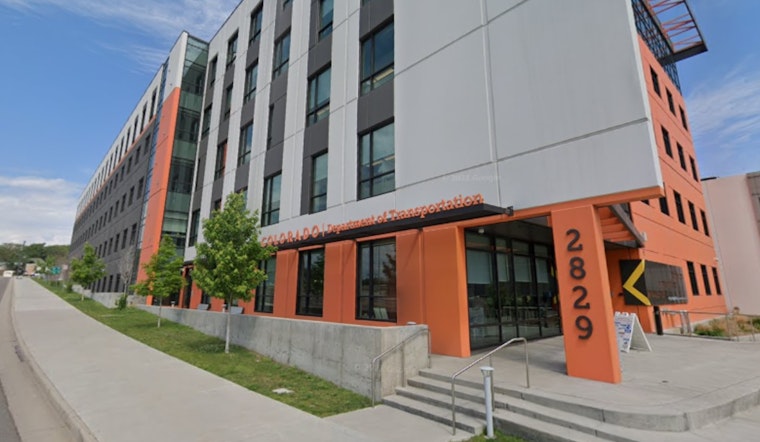
In a recent surge of law enforcement efforts, the Colorado Department of Transportation, along with the Colorado State Patrol and 60 local agencies, cracked down on seat belt violations, resulting in a significant uptick in citations. The three-week "Click It or Ticket" campaign, spanning May 12 through June 1, led to the issuance of 2,428 tickets for unbuckled drivers and passengers in Colorado, the department reported. This marks a 36% increase from the enforcement period in the previous year.
Thornton Police Department, Laramie County, and Loveland were among the top enforcers with the highest number of citations at 99, 259, and 367, respectively. The state patrol itself issued a hefty 1,023 tickets. These efforts are part of a long-term initiative by the National Highway Traffic Administration (NHTSA) that focuses on seat belt enforcement across the nation.
One alarming discovery was the surge in citations for improperly restrained children, which leaped to 206 from the 74 reported last year, a jump of 178%. As CDOT reported, newly revised child passenger safety laws in Colorado increased the seat belt requirement age to under 18 and extended booster seat requirements until a child's 9th birthday.
In light of these changes, Colorado is buckling down, no pun intended, on enforcement as the sunny seasons approach, historically correlated with an increase in traffic incidents. "Historically, traffic fatalities rise during the summer months as weather improves and the days get longer. That’s why it’s important to wear your seat belt during all car trips," explained CDOT's Office of Transportation Safety Director Darrell Lingk, as reported by CDOT.
With the "July Wave" seat belt enforcement period set to take place from July 21 to Aug. 1, Colorado motorists and parents should take heed of the current laws and the costly fines for lapses in seat belt use. An adult not buckled up could face a $65 fine, whereas failing to properly restrain a child carries a minimum fine of $82, with the potential for additional charges if a child is injured due to non-compliance.





