

























































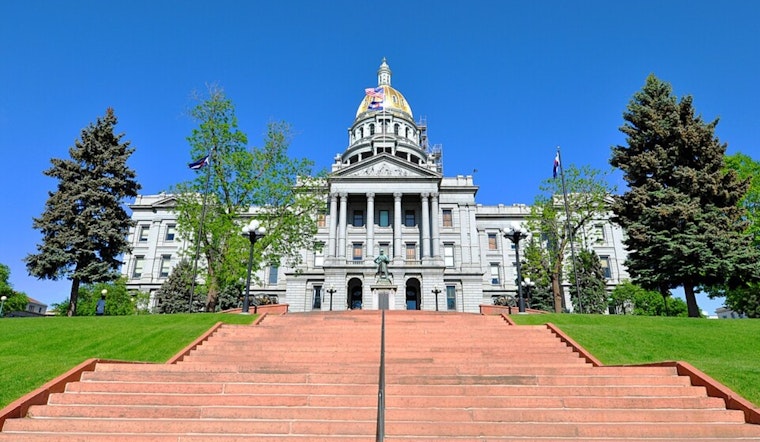
The economic landscape of Colorado continues to experience the tremors of the Trump administration's tariff policies, as made clear in a recent economic forecast. The Colorado Governor's Office projected that these tariffs will further damage the state's economy by slowing job growth and raising the odds of a recession. This bout of economic distress is not only a local dilemma but a dark cloud over the nation's financial well-being.
Despite these challenges, it seems that Governor Polis's efforts in housing reform may be a silver lining for the Denver area, where rent has seen a declining trend over the last year and increased at a slower pace than the national average across the last five years. However, the General Fund forecasts aren't promising, with a projected shortfall of $24.5 million and $40.9 million below the necessary reserve levels for the fiscal years 2024-25 and 2025-26, respectively.
Colorado's budgetary concerns are further complicated by a controversial budget bill proposed by House Republicans. "These national circumstances present a difficult economic environment for the state," said Governor Polis, as per the Colorado Governor's Office. He also expressed deep concern about the potential federal cuts to Medicaid and SNAP, which could saddle Colorado with an additional $650 million in expenses if the cuts are enacted.
The Governor has been forthright in his opposition to this budget bill, which is currently up for debate in the Senate. If passed, the federal reconciliation bill threatens to amplify Coloradan economic woes, Governor Polis and his administration argue, by severely trimming funding for vital programs such as Medicaid and SNAP. Such federal funding cuts could plunge the state further into fiscal disarray, stressing an already tight budget environment and compounding the financial strain on its residents.





.jpg)