

























































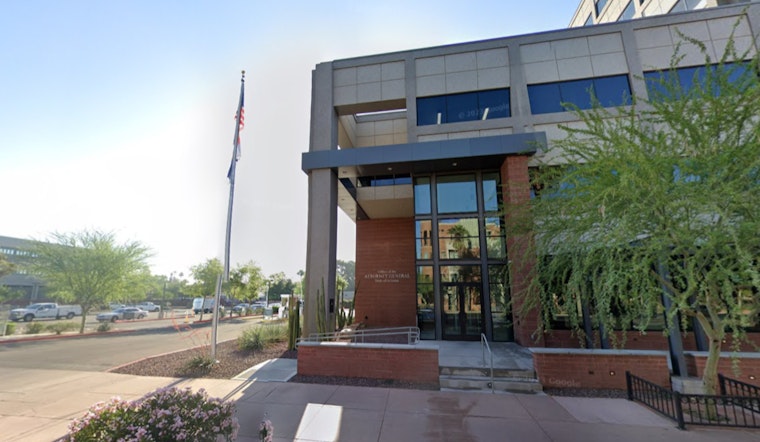
The tireless efforts of the Arizona Attorney General’s Office's Cold Case Unit have led to the identification of a man who for over a decade was known only as the Maricopa County Bridge John Doe. According to a press release from the Arizona Attorney General's Office, Kermit Wayne Anderson, is the name that has been returned to a once nameless existence.
The Arizona Attorney General's Office has publicly commended the team: "So many families have had to wait far too long for answers and justice." The persistence of the Cold Case Unit to solve such lingering mysteries has provided closure for the loved ones of Kermit Wayne Anderson, who had been without an identity since his body was discovered in Phoenix on October 13, 2011. It would take an alignment of forensic innovation and educational pursuit to untangle the threads of his anonymity.
The breakthrough came when the Maricopa County Office of the Medical Examiner (MCOME) partnered with the Investigative Genetic Genealogy Center at Ramapo College. A bloodstain containing Anderson's DNA was sent to Genologue for whole genome sequencing, and the resulting data was then worked on by students of Ramapo College. Cairenn Binder, the director of the IGG certificate program, emphasized the multi-layered benefits of their efforts. "The agency received assistance with resolving the case, the students had an opportunity to apply their new skills, and most importantly, Mr. Anderson's family has answers about their loved one," as detailed by the Arizona Attorney General's Office.
In November of 2024, students at the IGG Center pinpointed Kermit Wayne Anderson as a potential match for the John Doe. A confirmatory family member reference sample obtained by the Arizona Attorney General’s Cold Case Unit sealed the identity restoration on May 19. The success of investigative genetic genealogy goes beyond this single case. Another Arizona cold case, that of John Thiellesen, was resolved after lying dormant for over two decades. This technique, tying lost strands of DNA to the weft of family history, offers a blueprint for reclaiming names from the silence of the past.
For those who hold pieces of the puzzle related to open investigations, the Attorney General’s Office encourages any potentially useful information to be shared. Tips regarding the mentioned cases or any other missing or murdered people in Arizona can be submitted to the Cold Case Unit here, or by reaching out to Silent Witness.





