

























































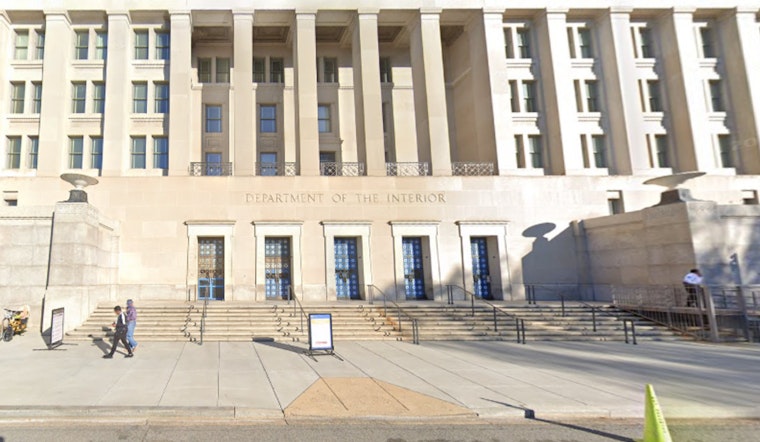
The Department of the Interior has proposed to rescind a 2024 rule that imposed new restrictions on oil and gas development in the National Petroleum Reserve in Alaska. According to the U.S. Department of the Interior, officials believe the current regulations do not align with the Naval Petroleum Reserves Production Act of 1976. The proposed change aims to remove what the Department calls "unnecessary barriers to responsible energy development."
After a review of legal and policy aspects, it was found that the 2024 rule titled "Management and Protection of the National Petroleum Reserve in Alaska" may have exceeded the agency’s authority. The Department of the Interior stated the rule conflicts with the original purpose of the Naval Petroleum Reserves Production Act, which was created during the 1970s oil crisis to speed up competitive leasing. Secretary of the Interior Doug Burgum said, "Congress was clear: the National Petroleum Reserve in Alaska was set aside to support America’s energy security through responsible development," and added, "The 2024 rule ignored that mandate, prioritizing obstruction over production and undermining our ability to harness domestic resources at a time when American energy independence has never been more critical," as reported by the U.S. Department of the Interior.
The 2024 rule added more requirements for operators to show little or no impact on surface resources within the 13 million acres called "Special Areas." The Department says these requirements go beyond the 1976 Act and slow down the Bureau of Land Management’s leasing programs. The proposed change would return the rules to the standards used before May 7, 2024. These earlier rules guided resource development in the National Petroleum Reserve while protecting wildlife and surface resources through the Integrated Activity Plan. The Bureau of Land Management will open a 60-day public comment period on the proposed change, as announced in the Federal Register. Environmental groups, industry, and local communities are expected to follow the process, as stated by the U.S. Department of the Interior.





