

























































Flagstaff is taking an innovative approach to housing development, blending high-end homes with affordable options within the same community. At the heart of this strategy is the Timber Sky project, which is breaking down economic barriers in neighborhood design. "You can deliver $2 million homes, and you can deliver Habitat for Humanity starter homes – they can be in the same development," said Walter Crutchfield of Vintage Partners, according to the Business Journal. Upscale homes and starter units are to coexist side by side, offering varied economic backgrounds a chance to integrate more seamlessly.
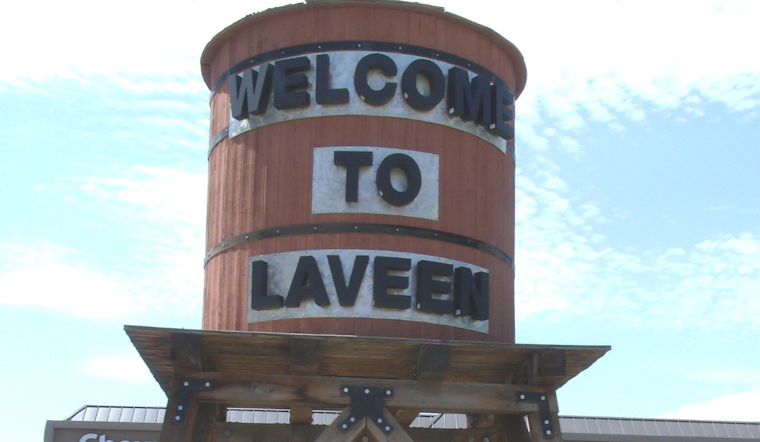
Following a similar blueprint of development, but in the commercial sector, Scottsdale's Diversified Partners LLC has managed to quickly lock in a major tenant for its Laveen Village project. The entertainment company Rush Funplex is set to take up residence in a sprawling 75,000-square-foot space within the 202 and Dobson commercial development. Offering an array of activities such as go-karts and laser tag, the company is to provide a family-centric hub for the locals. The Laveen Rush Funplex is anticipated to break ground later this year or possibly early 2026, aiming for a December 2026 grand opening, as reported in partnership with Phoenix Business Journal.
These projects are not merely business-as-usual developments but rather are reflective of a strategic aim to provide diverse offerings within singular enclaves. This development philosophy suggests that communities are enriched and perhaps more robust when they provide a spectrum of residential and commercial spaces that cater to a wide range of economic statuses and lifestyles. By placing an emphasis on inclusion and diversity, these developers might very well be setting the stage for a new model in statewide urban planning.
The convergence of luxury and affordability in Flagstaff's real estate scene, alongside the investment in entertainment and leisure in Laveen, seems to herald an evolution in Arizona's approach to public and private spaces. This dual push towards catering to varied demands within a single spatial framework is poised to perhaps change the face of community planning in the state. What remains to be seen is whether this model will be replicated successfully beyond Flagstaff and Laveen, and how it will impact the broader fabric of Arizona's cities and towns.




-Welcome_to_Laveen-2.JPG)