

























































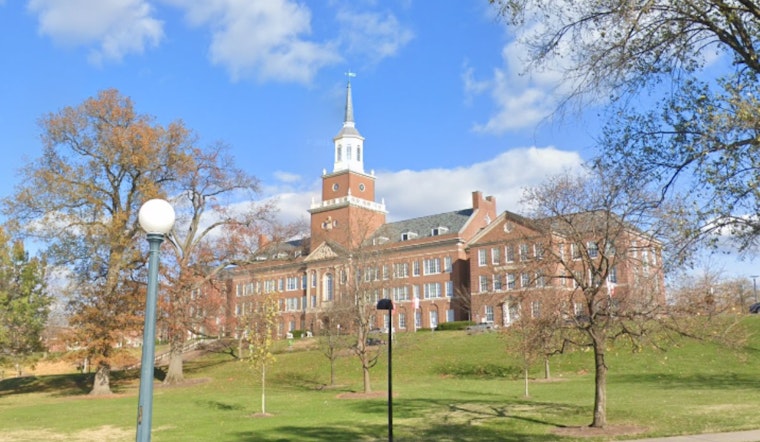
Amid the tumult of recent Los Angeles protests, foreign actors have entered the fray, not with weapons or words of support, but with a barrage of disinformation aimed at stoking the flames of division. The Dallas Morning News reported, based on insights from University of Cincinnati journalism professor Jeffrey Blevins, that propagandists have been sharing misleading images; one such instance involved falsely claiming that pallets of bricks were staged for vandals at protests, a claim that gained traction with a staggering 800,000 views according to a New York Times finding.
This disinformation tactic, while hardly novel in the digital theater of war, effectively serves a particular political interest, as Blevins, who is credited as a co-author of the 2024 book "Social Media and Digital Politics: Networked Reason in an Age of Digital Emotion," as per UC News, elucidated in comments to the Dallas Morning News - it taps into the power of social media to amplify discord and deepen societal schisms. Therein lies the insidious potency of such campaigns, they prey on the vulnerabilities of a public already embroiled in socio-political unrest, weaving false narratives into the tapestry of real grievances.
An editorial by the Dallas Morning News went further, attributing motives to nations like Russia whose geopolitical strategies, they say, hinge on exacerbating America's internal divisions, a tactic that ultimately saps the United States' global influence. China, for its part, leverages the imagery of American violence and disorder, painting a stark, chaotic portrait of life in the United States, which is miles from the truth but serves their narrative well.
The full scope of the disinformation's impact remains to be untangled yet the editorial board's sharp critique offers a lens through which the gravity of such actions can be discerned, as the spreading of falsehoods ensnares the collective attention and diverts energies from the pursuit of meaningful resolution to conflicts within communities, particularly at times when the unfettered exchange of truths is most critical, and in this respect, the endurance of democratic ideals feels its most acute strain.
Readers seeking to understand the finer points of this modern frontline can find Blevins' expert analysis more extensively detailed on the University of Cincinnati's website, where the professor explains the mechanisms of how malignant online actors are destabilizing societal cohesion, one shared falsehood at a time.





