

























































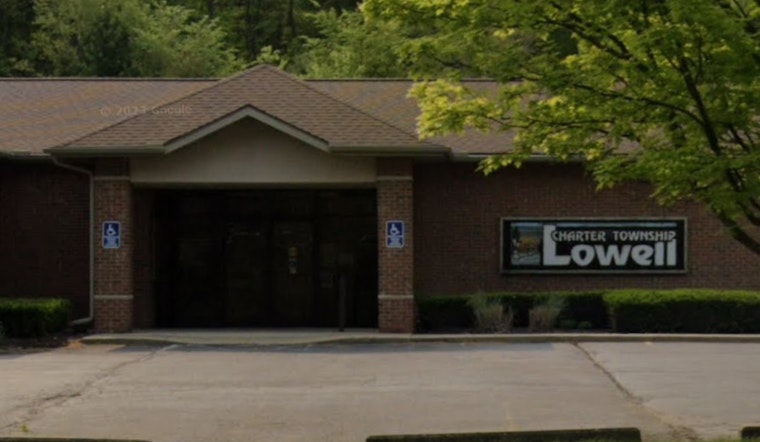
Residents of Lowell Charter Township will soon cast their votes on a pivotal millage to target rampant spongy moth infestations affecting their local tree canopies. The ballot measure, slated for the November 4 election, is a response to years of destruction caused by the invasive species, as detailed in a statement from the township supervisor. "A three year infestation really can put the trees in danger of dying," Jerry Hale, Lowell Charter Township Supervisor, told FOX 17.
According to WOODTV, the local government emphasizes the severity of the threat, as spongy moths are known to defoliate and potentially kill trees after an infestation. The proposed solution is a three-year millage, which will levy 0.5 mills, expecting an average added cost of about $50 per homeowner each year. If passed, this will inject around $180,000 annually into local efforts to combat the moths, including reimbursement for previous years' treatments and funding for future actions.
The financial burden of failing to address this environmental issue is significant. The township expended $186,500 from their general fund for spraying in April, which is not sustainable without the proposed millage. WZZM 13 reports that Township Supervisor Hale said, "It's cost-prohibitive for most homeowners to undertake aerial spraying of individual properties, so a communitywide millage to support spongy moth spraying will be most effective and ensure the health of all our community's trees." The full details of the township's proposal are available on its website.
Officials warn, in absence of the millage, that the spraying will not occur, leading to a decline in tree health and an increase in dead trees, as noted by WZZM 13. The treatment is administered through aerial application of Bacillus thuringiensis var. kurstaki, or B.t.k., an insecticide safe for other species. Spongy moth infestations not only harm the visual aesthetics of a community but may also lead to economic consequences, disrupting local ecosystems and potentially affecting property values.





