

























































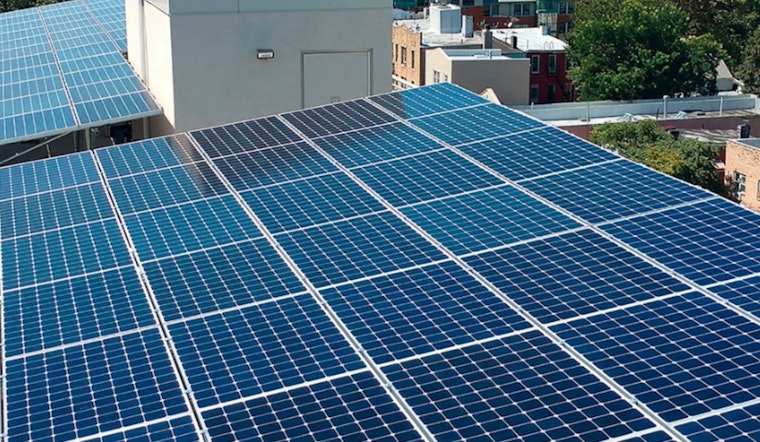
The Healey-Driscoll Administration has announced new initiatives to expand solar energy use in Massachusetts, aiming to reduce electricity costs and support growth in the solar sector. According to Mass.gov, Governor Maura Healey emphasized the need to increase energy reliability and affordability, noting that solar is currently one of the most cost-effective energy sources available to the state.
Key updates include revisions to the SMART (Solar Massachusetts Renewable Target) program, which will introduce fixed incentive rates for residential customers and offer increased support for low-income households. The program will also be adjusted annually based on market analysis to ensure it remains effective.
Lieutenant Governor Kim Driscoll stated that the solar expansion efforts are also focused on building the local workforce and keeping energy-related investments within Massachusetts. The administration sees solar energy as essential for grid reliability during periods of high demand, according to Energy and Environmental Affairs Secretary Rebecca Tepper.
Additional efforts include phasing out older solar incentives, which are projected to lower electricity bills by $15–$20 per month by 2027. The administration estimates nearly $1.5 billion in consumer savings over five years.
Energy Resources Commissioner Elizabeth Mahony identified permitting and interconnection challenges as contributing factors to the state's recent decline in solar deployment rankings. To address these issues, the administration is advancing the Energy Affordability, Independence, and Innovation Act, which includes reforms to speed up permitting and improve project interconnection processes.
Recent data shows solar’s growing role in the regional power supply. On April 20, solar energy supplied over 55% of electricity demand in New England, setting a new record for low grid demand and demonstrating the increasing impact of solar energy on the region’s power infrastructure.
These initiatives are part of a broader strategy to increase energy independence and improve Massachusetts’ position in the renewable energy sector.





.jpg)