

























































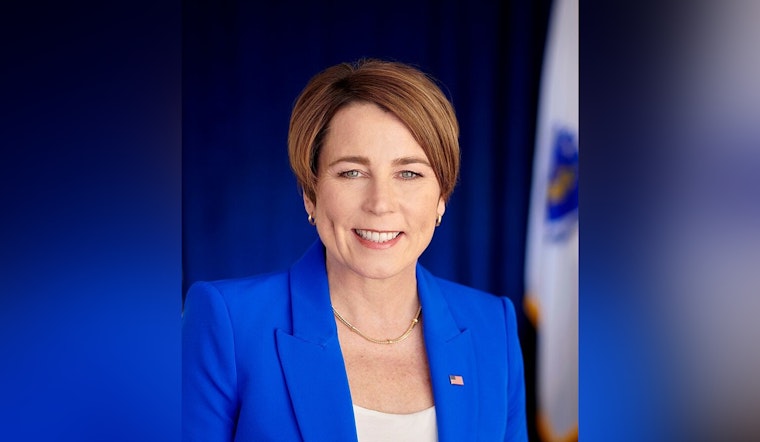
In a move to bolster the ranks of mental health professionals in Massachusetts, the Healey-Driscoll Administration has earmarked $17.9 million in funding to 71 behavioral health organizations through the Behavioral Health Supervising Clinicians Incentive Program (SCIP), according to an announcement released by Mass.gov. This initiative is designed to help students and clinicians-in-training on their path to licensure by providing them with experienced supervisors, a crucial requirement in their career development that will lead to an increase in the available behavioral health professionals across the state.
With the goal of addressing the critical shortage of behavioral health workers, the program offers financial incentives to licensed clinicians who supervise trainees, the funds will support a total of 793 clinical supervisors, and at least 1,491 supervisees will gain from this mentoring over a period of two years; Governor Maura Healey emphasized the need for more qualified providers, stating, "The Behavioral Health Trust Fund improves recruitment and retention of providers by providing them with an experienced, trusted supervisor while in training." Lieutenant Governor Driscoll echoed the focus on fostering mental health care in underserved areas, adding that investments like this "reduce barriers for those seeking to become new clinicians or advance in their chosen field and support current clinicians who dedicate their time and expertise to mentoring and training a diverse, qualified and well supported behavioral health workforce."
Secretary of Health and Human Services Kate Walsh spoke on the significance of guidance in the formative stages of a clinician's career, "This financial support recognizes the valuable contributions of current clinicians who mentor and train a diverse, qualified, and well-supported behavioral health workforce," Walsh told Mass.gov. This effort is part of a larger commitment to equity and diversity, where funding was specifically directed towards clinical supervisors with diverse backgrounds providing services in underserved communities across Massachusetts, ensuring that a multitude of languages and areas outlined in the Advancing Health Equity in Massachusetts initiative were represented.
The initiative is fueled by the Behavioral Health Trust, part of the Executive Office of Health and Human Services; it has thus far distributed a sum of $114 million in an effort to knock down the barriers blocking access to behavioral health care, with the funds originating from the American Rescue Plan Act recovery pot, a variety of programs have enjoyed the benefits including student loan repayment assistance, licensure fee waivers, and supports for internships, all with the intent of fostering a resilient, diverse, and expanding workforce ready to tackle the complex landscape of mental health care in Massachusetts.





