

























































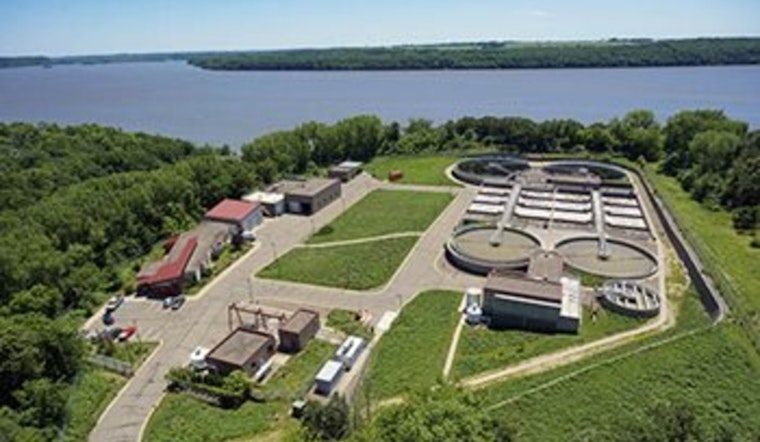
In its ongoing crusade against the climate crisis, the Met Council reports a mix of setbacks and progress in the second year of its climate action plan, with a slight uptick in emissions shadowed by strides made in operational efficiency, according to a recent update. Notable among these strides is the Eagles Point Water Resource Recovery Facility's feat in slashing operating costs by 40% through reduced air pumping without compromising phosphorus and ammonia treatment in wastewater.
Meanwhile, Metro Transit is on the move updating its building automation systems for enhanced energy efficiency, while all transit facilities, including garages and major support facilities, have fallen into step with these "smarter" systems, although Met Council emissions did rise in 2024 due to greater wastewater flows and an expansion of transit services, Metro Transit buses and trains have improved their mileage per metric ton of CO2e from 247 miles in 2018 to 273 in 2024, showcasing a trend towards more sustainable transit operations.
The recent climate summit saw Met Council staff working in tandem with city and township planners to pave the way for local governments to align with state-imposed climate planning requirements, crystallized into the Imagine 2050 regional development guide. Imagine 2050 is a comprehensive tapestry weaving climate mitigation and adaptation strategies into the fabric of housing, land use, transportation, and water resources policies, ensuring an integrative approach to bolstering regional resilience against the turbulent throes of climate change.
Barajas, the director of community development at Met Council, highlighted "the synergy between our internal climate work and the regional climate plan," as the council develops a Comprehensive Climate Action Plan backed by federal funding, this plan broader in scope aims to both scrutinize the metropolitan area's emissions and pinpoint strategies to cut them back, while also considering the advantages this would bring to communities shouldering the brunt of pollution, coupled with an evaluation of the employment landscape in these burgeoning green sectors. The Met Council is set to issue new system statements to support local governments this fall, with the aforementioned Climate Action Toolkit and Greenhouse Gas Strategy Planning Tool at their disposal.
Public engagement is slated for September when a draft of the Comprehensive Climate Action Plan will be released for comment, an initiative that strengthens the regional coalition in the face of climate adversity and potentially sets a benchmark for how local governments can steer their communities towards a greener, more resilient future.





