

























































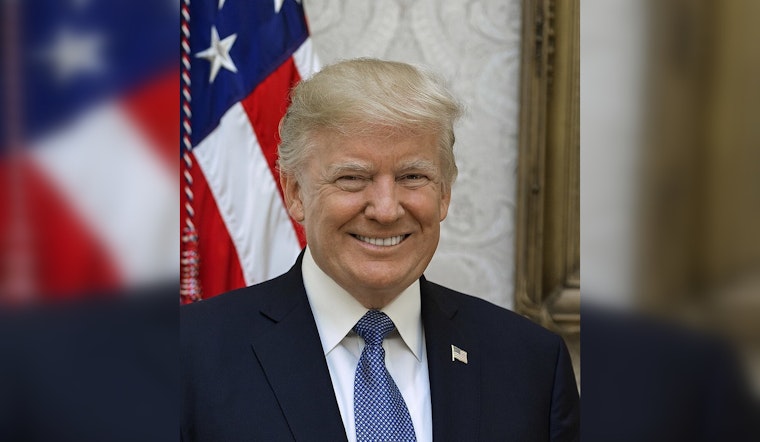
The Trump administration's expansive new travel ban, effective as of yesterday, has added heightened concerns among immigrant communities, particularly in metro Atlanta where many hail from the affected nations. The ban, which targets citizens from 19 countries, has sparked dialogue on safety and familial connections, according to Fox 5 Atlanta. Omar Shekhey, the executive director of the Somali American Community Center in Clarkston and a Somali immigrant himself, revealed the psychological toll on communities, mentioning the distressing implications of families being torn apart due to the ban.
While the new policy doesn't cancel previously issued visas, it essentially closes the door to citizens from the listed countries without visas, citing reasons such as high visa overstay rates and the countries being labeled as "terrorist safe haven." Shekhey, whose organization is now suggesting caution against any travel outside the United States, told Fox 5 Atlanta, "I'm afraid. We are advising our community not to travel anywhere, you want to see your mom, you're not coming back." Likewise, immigration attorney Jack Kuck spent his day responding to worried families, some who are now feeling the pinch of the ban's impact on their plans and aspirations.
The implementation of this ban has also led to reported instances of extra scrutiny at U.S. airports, as noted by some visitors with valid visas who encountered detailed questioning upon their arrival, shared by Atlanta News First. Vincenta Aguilar and her husband, both from Guatemala—a country not listed in the ban—experienced an intensive series of interviews upon landing at Miami International Airport.
Despite the increase in border scrutinies and the administration's stated objectives of national security, critics of the travel ban argue that such policies do not serve security, but instead divide and stigmatize communities, claims echoed by Abby Maxman, president of Oxfam America, in a statement obtained by Atlanta News First. The Haitian government has also voiced opposition to their inclusion on the list, hoping to persuade the U.S. to reconsider, even as citizens from unaffected countries face their own travel anxieties.





