

























































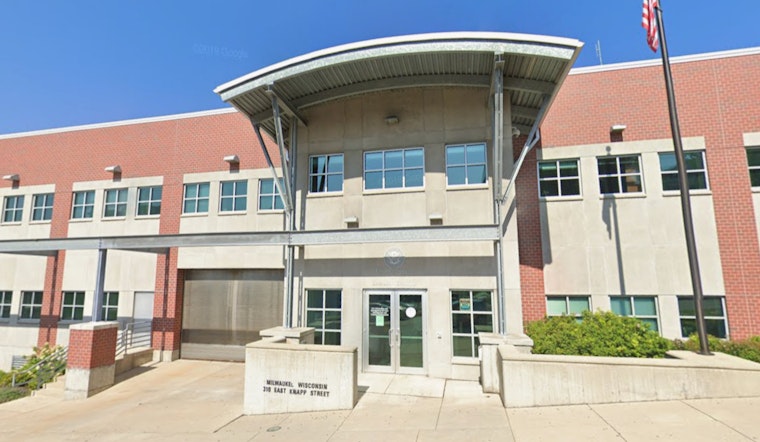
The saga of Yessenia Ruano, a Salvadoran immigrant who has called Milwaukee home, has taken a heart-wrenching turn following a decision by ICE that mandates her to self-deport. This ruling comes despite her standing as an educator, a volunteer, and a mother of two American-born children. The case has sparked an outcry among local communities and advocates who see this as a symbol of a broader systemic issue.
The stark reality of the situation was echoed in a joint statement by city officials. "Immigrants greatly contribute to the social and economic fabric of our society, and we should encourage their participation rather than force them to live in fear," the statement read. The decision on Ruano, glaring in its implications, reflects an immigration system struggling under the weight of policies that many believe are unfair and in dire need of reform.
Yessenia's case underscores a climate where the contributions of immigrants to the American tapestry are overshadowed by a narrative that brands them as liabilities rather than assets. Advocates argue, her voluntary departure is not just a loss for her family but a deficit for the community that benefited from her contributions. "Yessenia has developed roots here," the City of Milwaukee statement detailed, "She is a wife with two Milwaukee-born daughters."
In the wake of this development, calls for change resonate more fiercely. With both social and economic aspects woven by the hands of immigrant families like Ruano's, many are urging for a shift in the administration's approach to immigration policy. "We must all realize this and continue to push for the change we so desperately need," the official statement by the City of Milwaukee concluded, shining a spotlight on a narrative that many hope will foster resilience and drive reformative action.





