

























































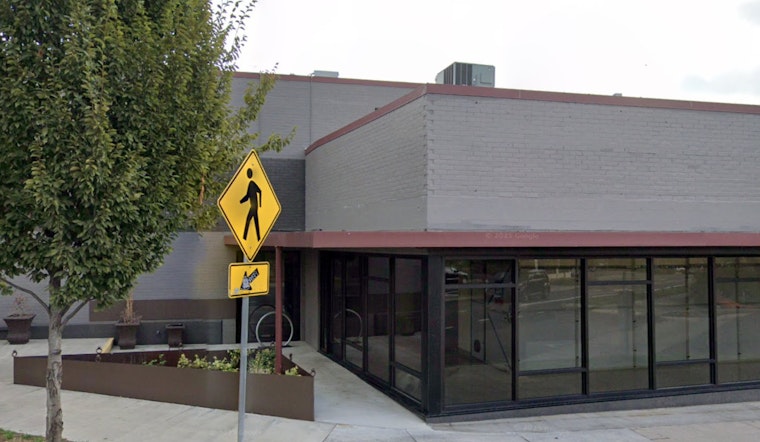
Multnomah County has significantly widened the referral avenues to its 24/7 sobering services housed at the Coordinated Care Pathway Center on S.E. Sandy Blvd., as was announced earlier this week. Previously confined to police referrals, these crucial services are now accessible through five behavioral health care providers, an attempt by the county to enrich the spectrum of recovery resources available to those battling addiction and street life.
In a transition aimed to streamline access to recovery, Multnomah County Chair Jessica Vega Pederson expressed the County's intent to "actively adding to our continuum of care,” as reported by Multnomah County News. This new move is set to not only create an integrated location for beginning or furthering recovery but to also significantly reduce barriers that previously hindered immediate care. The collaborating partners in this effort encompass groups such as Portland Street Response, Project Respond, and 4D Recovery, among others.
As part of the expanded strategy, the County anticipates that these partnerships will allow diverse teams across the City of Portland to more effectively connect individuals experiencing acute intoxication to support systems beyond just law enforcement intervention. County Commissioner Julia Brim-Edwards highlighted the urgency and necessity of the expansion, affirming the provision of safe alternatives to jail or leaving people on the streets. "Opening access to sobering resources to trusted community organizations and non-law enforcement partners is a meaningful step," Brim-Edwards told Multnomah County News.
The operational synergy at the temporary Coordinated Care Pathway Center is set to serve as a scaffold until the Sobering & Crisis Stabilization Center at S.E. Grand Ave. opens in 2027, which will feature up to 50 sobering and withdrawal management stations. This phased approach is strategically designed to gather key insights for the development of the permanent facility while simultaneously granting immediate support through the sobering stations. Commissioner Meghan Moyer, expressing excitement over this resource availability, told Multnomah County News, "We are excited to make this resource available to our partner organizations."
Additionally, this expansion supports Portland Police's call for safe holding spaces for individuals displaying overt signs of intoxication who are incapable of caring for themselves. Indeed, Portland Police Chief Bob Day wrote of this need back in July 2024. As the county continues to engage with neighbors and finalize plans for the upcoming permanent center, it remains clear that community involvement and partnerships are crucial to fostering successful outcomes for those in the throes of addiction and homelessness, as Commissioner Vince Jones-Dixon pointed out the critical role that these collaborations play.



