

























































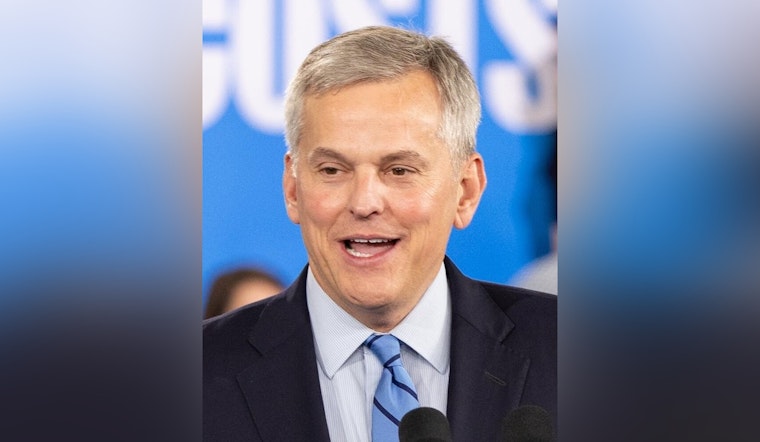
North Carolina Governor Josh Stein has intensified his campaign to protect vital social safety net programs, sending a direct appeal to U.S. Senators Thom Tillis and Ted Budd to oppose federal cuts that could strip health care from nearly half a million North Carolinians and force the state to find $700 million annually to maintain current food assistance levels.
The governor's June 6 letter outlines the devastating impact of the U.S. House reconciliation bill, which proposes sweeping cuts to both Medicaid and the Supplemental Nutrition Assistance Program (SNAP). According to the Governor's office, recent modeling shows that 255,000 North Carolinians risk losing Medicaid coverage, while the Kaiser Family Foundation projects the combined effect of Medicaid and marketplace changes could increase the state's uninsured population to an estimated 470,000 if subsidies expire at the end of 2025.
Unprecedented Financial Burden on State
"SNAP helps 1.4 million North Carolinians put food on the table," Governor Stein stated in a May 15 press release. As reported by the Governor's office, the proposed federal cuts would make North Carolina pay up to $700 million to continue current benefits, "all so that the wealthiest Americans can receive even bigger tax cuts." The governor warned this would force the state into "perilous budget decisions" between food access and other essential services.
The financial impact extends beyond direct costs. According to NC Newsline, SNAP contributes nearly $2.8 billion to North Carolina's economy, with every $1 invested generating between $1.50 and $1.80 for local economies. The state has more than 9,200 SNAP retailers who would see reduced customer spending, particularly affecting rural areas and small towns.
Medicaid Expansion Under Threat
The timing of these proposed cuts is particularly problematic for North Carolina, which expanded Medicaid in December 2023. As reported by NCDHHS, more than 640,000 people have enrolled in the first year of implementation, surpassing the state's two-year projection in half the time. The expansion has been especially vital in rural counties, where in some areas more than half the population now has affordable health coverage through NC Medicaid.
Dr. Dev Sangvai, North Carolina's Health and Human Services Secretary, has joined the governor in speaking out against the cuts. During roundtable discussions across the state, including events at UNC Health Nash and Care Ring in Charlotte, health providers have warned about catastrophic consequences for rural hospitals and communities. According to North Carolina Health News, North Carolina's expansion law contains a "trigger" provision that automatically ends the program if federal funding drops below 90%, meaning all 640,000 new enrollees would immediately lose coverage.
Hurricane Helene Recovery Complicates Crisis
Western North Carolina communities still recovering from Hurricane Helene face additional hardship from these potential cuts. Governor Stein noted that the 25 western counties most impacted by Helene still have higher SNAP enrollment than before the storm hit in September 2024. The program received 169,000 applications immediately after the disaster—the highest number since Hurricane Florence in 2018, according to Hoodline North Carolina.
This comes as the state already faces financial strain from FEMA's denial of North Carolina's request for 100% reimbursement for Hurricane Helene debris removal, potentially costing taxpayers hundreds of millions of dollars, as reported by the Governor's office.
Congressional Response and Public Pressure
The response from North Carolina's U.S. Senators has been mixed. While Senator Tillis has faced protests at his offices across the state, including demonstrations by nurses at his Hendersonville location, his office has indicated to advocacy groups that any reduction to the 90% federal Medicaid match is a "hard no" for the senator, according to North Carolina Health News.
However, advocates remain concerned. As reported by NC Newsline, the Coalition Against Right-Wing Extremism (CARE) organized a Raleigh press conference in April calling on Senator Tillis to protect Medicaid amid the proposed $880 billion in cuts. Health providers and advocates delivered a letter signed by 500 health care workers to his Charlotte office, along with a booklet containing personal stories from beneficiaries.
Economic Ripple Effects
The proposed cuts would have far-reaching economic consequences beyond individual beneficiaries. Food banks and pantries across the state report they cannot make up the gap through private philanthropy. According to North Carolina Health News, Tina Postel, CEO of Nourish Up in Mecklenburg County, stated bluntly: "There's not a fund drive in the world that can make up the gap that our government is creating."
Rural communities face particular vulnerability. Research from Georgetown University's Center for Children and Families indicates that 39% of all Medicaid beneficiaries in North Carolina live in rural counties, where hospital closures have already created health care deserts. As noted by the Border Belt Independent, nearly 25,000 residents in Bladen, Columbus, Robeson and Scotland counties have enrolled in Medicaid since expansion, bringing total beneficiaries in that region to more than 118,000.
Governor Stein continues to meet with North Carolinians across the state, listening to their stories and documenting how these cuts would impact not just individual families, but entire communities dependent on the economic activity these programs generate.



.jpg)