

























































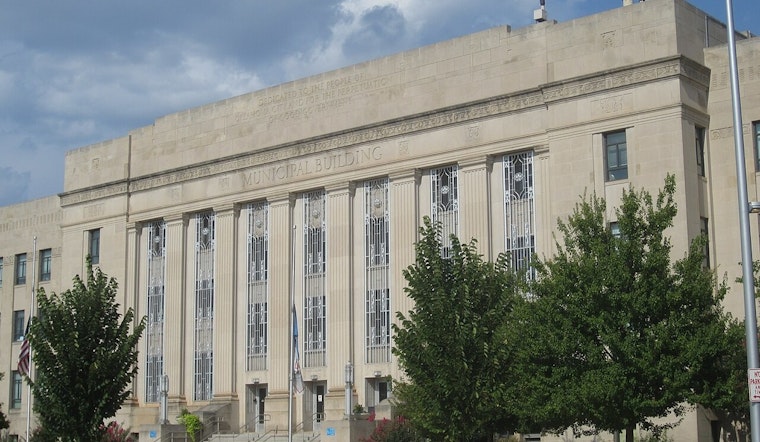
Oklahoma City Council has officially set its fiscal compass for 2026, giving the nod to City Manager Craig Freeman's budget proposal yesterday. As reported, the Police and Fire Departments are bracing for a bit of belt-tightening, directed to scale back their budgets by 1.5%, while most other City departments have been asked to trim even deeper, shaving off 4.5%.
The lean budget reflects a prevailing surge of fiscal caution at the hands of sluggish revenue growth—echoing last year's financial sobriety. "Despite this, I’m encouraged that departments could make adjustments to stay within available resources while continuing to focus on services for our residents," City Manager Craig Freeman said in the budget announcement in the City of Oklahoma City website. Notably, the operating budget will total $930 million and support 5,090 full-time positions, which marks a reduction of 27 from the previous fiscal year.
In light of these changes, some impactful adjustments are unfolded across the departments. The Fire Department will lose 15 vacant uniform positions, and the familiar presence of the 2nd engine at station 1 will be no more. On a brighter note, the budget includes additions such as two Recovery Support Specialists and a dedicated Human Resources partner to the team. The Police Department isn't left untouched either, freezing 20 vacant uniform spots, but they're seeing an influx of $8.6 million for capital construction courtesy of the Police Sales Tax Fund. Meanwhile, the Municipal Court is shedding several positions, mirrored by a leaner outline for Public Works, Development Services, and other areas of city governance.
This is the currency of our day-to-day existence in the city—our sales tax. Oklahoma City draws 4.125% on local and online sales, with a solid slice, 2.25%, dedicated to the General Fund, which predominantly fuels the Police and Fire operations. Their financial lifeblood is also supplemented by a public safety sales tax of ¾ of a cent. Additional funds stem from the hotel tax, targeting tourism and improvements at the OKC Fairgrounds, alongside a menagerie of franchise fees, building permits, fines, and service charges. Fiscal decisions are steered by the annual resident survey results, ensuring that the city's pulse aligns with the spending.
The voluminous ledger of the city's expenditures and revenue streams is no secret—it's available for scrutiny at okc.gov/budget. For the civically curious, a small digital pilgrimage to okc.gov/Council offers a chance to make acquaintances with your Council member, and if you're itching to see the governing body in action, okc.gov/agenda is the gateway to the Council meetings and their agendas.





_-_184.jpg)