

























































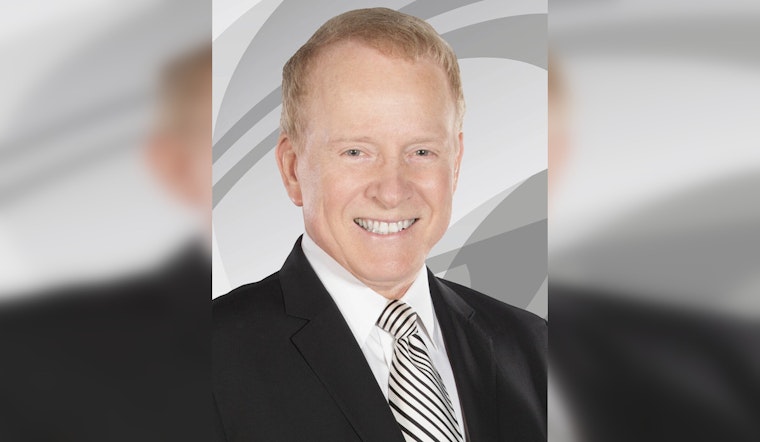
The Oklahoma weather broadcasting community is marking the loss of a prominent figure. Gary England, a respected meteorologist and longtime television personality, has died at the age of 85. News 9 confirmed his passing last night, noting that England—originally from Seiling—pursued a career in meteorology after graduating from the University of Oklahoma and serving in the U.S. Navy. He spent more than 40 years with News 9, dedicating his career to informing and protecting Oklahomans during severe weather events.
Throughout his distinguished career, England played a key role in several significant advancements in weather forecasting. Most notably, in 1981, he became the first to implement Doppler radar for issuing public weather warnings. "Gary passed peacefully on the evening of June 10th surrounded by his loved ones," family members shared in a statement KOCO 5 reported. His innovations continued into the 1990s with the creation of First Warning and StormTracker systems, which are now industry standards across the nation.
England's list of accomplishments and recognitions is extensive. He was an Emmy Award recipient and earned the National Edward R. Murrow Award for excellence in breaking news and weather. His expertise was not only felt in Oklahoma but also on an international stage, having appeared in over 50 severe weather programs globally, as well as having a cameo in the film "Twister." News 9 notes that in 2006 England spoke at the dedication of the National Weather Center, and in 2013, he was inducted into the Oklahoma Hall of Fame.
Following the news of England's passing, KOCO 5 Field Meteorologist Michael Armstrong offered a tribute to his friend and former colleague. "You knew him as an Oklahoma legend, a Hall of Famer. I knew him as friend. Gary - I love you and will forever miss you," Armstrong wrote, as quoted by KOCO 5. He is survived by his wife Mary, his daughter Molly, and granddaughters Cassidy and Chloe. Gary England's legacy in meteorology and the safety measures he helped establish will continue to influence and benefit future generations.
A significant part of his professional legacy is his impact on local weather coverage. His early adoption of commercial Doppler radar played a key role in changing how severe weather alerts were communicated to the public, according to KTUL. In addition to his broadcasting work, he authored four books and provided educational insight into Oklahoma’s weather patterns.





