

























































The road to building affordable rental housing in Oregon is paved with a myriad of challenges, as rising rents continue to outpace wages, leaving many Oregonians grappling with untenable choices. As reported by Oregon Housing and Community Services, over 320,000 households in the state hover precariously—a paycheck away from eviction.
With over half of Oregon renters burdened by high housing costs, the need for affordable lodging is clear. Oregon Housing and Community Services emphasizes the role of collaboration amongst government entities, developers, and community partners in alleviating this crisis—underpinning the complex, multi-phase process involved in bringing affordable projects to life. Despite initiatives to streamline application processes, the path from planning to occupancy encompasses years of strategic maneuvering through predevelopment, feasibility analysis, funding acquisition, construction, and the vital on-going asset management to ensure long-term affordability.
Starting at the predevelopment stage, developers are tasked with in-depth evaluations and community consultations to assemble a viable concept. According to the Oregon Housing and Community Services, the subsequent phase—navigating zoning, permitting, and environmental checks—requires developers to juggle compliance with local laws and often, counter community misconceptions that affordable housing brings down neighborhood value.
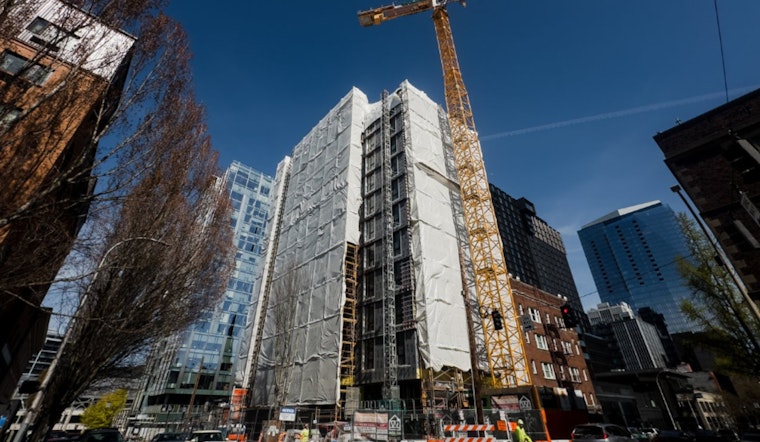
Securing financing poses its own set of hurdles, as the cost of building materials and labor surges. Here, developers must weave together a funding tapestry, including Low-Income Housing Tax Credits (LIHTC) and varied loans or grants, to meet the steep expenses that accompany construction, while contending with inadequate funds for all hopeful projects. Once fiscal challenges are met and shovels hit the ground, construction can extend up to three years before doors open to qualifying residents, as per the Oregon Housing and Community Services.
Upon completion, property managers step in, navigating income guidelines to fill units, some earmarked for extremely low-income individuals or those transitioning from homelessness. The article from the Oregon Housing and Community Services underscores the continuous effort required in asset management to maintain both the quality and affordability of these developments over the mandated 30 years or more. As the burden of rental costs casts a long shadow, Oregon's quest for sufficient affordable housing remains an ongoing journey, with each successful project representing a beacon of stability and dignity for its residents.



