

























































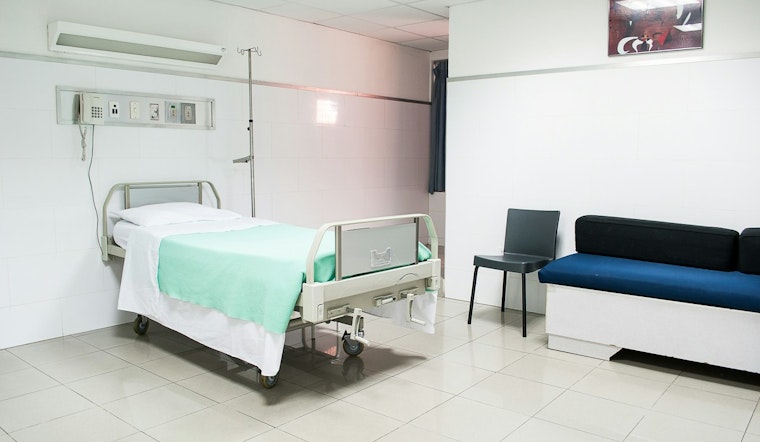
Amid rising concerns over clogged emergency rooms and delays in patient care transitions, the Oregon Senate takes a decisive step with the passage of Senate Bill 296. The bill aims to help patients who no longer require hospital-level care move on to other appropriate services—such as long-term care, or community-based care. This bottleneck has been particularly challenging for vulnerable groups including older adults, those with mental illness, and the unhoused.
Reports from the Oregon legislature highlight that impacting the overflow in hospitals can mean better service for those with pressing emergencies. By extending Oregon Health Plan's post-hospital care benefit from 20 days to 100 days, and creating a dashboard to keep tabs on eligibility for various supports, the bill sets out to smoothen the transition process. However, experts believe this is only the first phase of a series of reforms necessitated by challenges in discharging patients to suitable care settings.
In a statement documenting the Senate's unanimous decision, Senator Deb Patterson (D-Salem) elucidated, "When medically fragile people have nowhere to go, they stay in the hospital. This is an issue that affects every hospital in the state." According to an article published on Oregon State Senate Democrats' website, SB 296 is Patterson's initiative towards improving access to appropriate care by easing bottlenecks in the discharge process.
With unanimous backing from the Senate, the bill reflects a shared concern across party lines for healthcare efficiency, Senate Bill 296 passed with a vote of 29-0-1 and now awaits deliberation in the Oregon House of Representatives. Stakeholders, across the healthcare spectrum find promise in the proposed legislation, seeing it as a pivotal move toward optimizing patient flow within the healthcare system. As Oregon looks forward to the implementation of these reforms, all eyes shift to the House for the next steps in what could be a transformative approach to healthcare facilitation in the state.




