

























































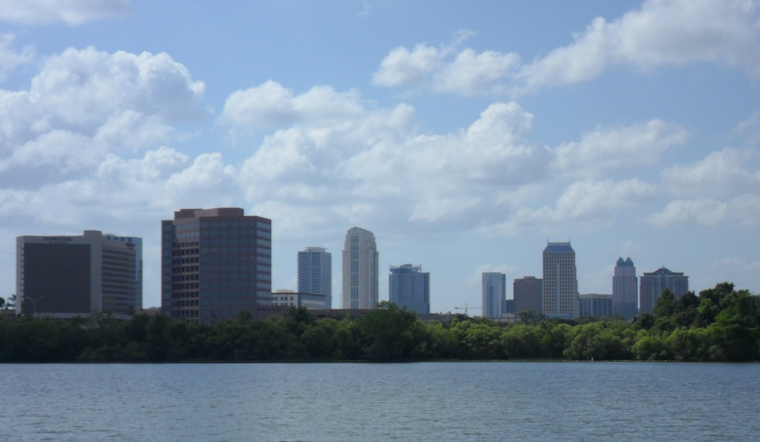
Orlando residents can expect to see the continuation of seasonably sweltering temperatures paired with the occasional relief of showers and thunderstorms as the week progresses. According to the National Weather Service Melbourne FL, the region is anticipating daily showers and storm chances. However, these are slated to remain at near to below normal levels early in the week, with the heaviest activity to become concentrated inland each afternoon. Temperatures are projected to climb later in the week, hinted at by a forecast of seasonably hot and humid conditions through midweek.
While beachgoers will need to stay vigilant due to a Moderate Risk for numerous, strong, life-threatening rip currents, those looking to enjoy other outdoor activities might be able to do so without much interference from rainfall. However, should isolated storms kick up, they might be able to tap into the drier air aloft and produce locally gusty winds of 35-45 mph, as per the National Weather Service discussion. In particular, through at least early this week, large sections of Florida's east coast should remain precariously susceptible to these conditions.
The forecast for marine conditions similarly indicates a stretch of generally favorable conditions for boating through the week, with winds remaining at or below 15 knots. Nevertheless, seafarers should be aware of the forecasted onshore flow pattern that could bring isolated/scattered showers and lightning storm activity over the coastal waters, particularly during the nights and mornings. These events may bring their hazards, such as gusty winds, lightning strikes, and heavy downpours, as suggested in the marine section of the weather forecast.
Aviation interests will also need to be mindful of the weather over the coming days. The VFR conditions are expected to be the norm, but isolated onshore moving showers may influence coastal operations, particularly from MLB southward. Flights inland might experience lower shower and storm coverage compared to coastal regions. According to the Aviation report by the National Weather Service, winds are also predicted to increase to around 10 KT by mid-morning before increasing to 10-15 KT and gusting to around 20 KT by late morning/early afternoon. Onshore moving showers stand to impact coastal establishments once more throughout the overnight hours, potentially.
For those planning their weekly activities or travel, the forecast remains relatively consistent in terms of temperature, with daytime highs teetering near the 90s and humidity making it feel even hotter. The evenings, meanwhile, bring merciful dips into the lower to mid-70s. With Central Florida caught in this pattern of stifling heat punctuated by the occasional storm, it seems the region is firmly entrenched in the customary rhythms of a Floridian summer.





