

























































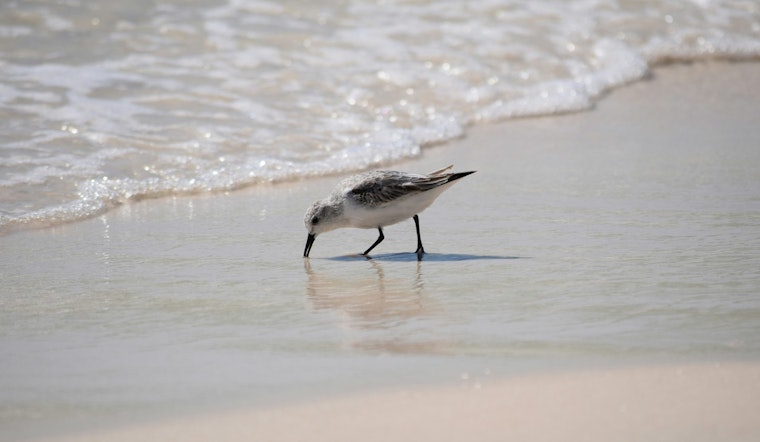
A tragic incident occurred last week as a helicopter crash in the remote wilderness of Alaska's North Slope claimed the lives of two individuals, including a Plymouth scientist renowned for his conservation work with shorebirds. Shiloh Schulte, a member of the Manomet Conservation Sciences team and a key figure in the restoration of the American oystercatcher population, was one of the casualties reported, Boston 25 News states.
During the time of the crash, Schulte was engaged in conservation research, conducting fieldwork that, was part of a larger endeavor to understand and protect seabird species. According to The Boston Globe, Schulte's passion for conservation translated into significant progress, with the oystercatcher population seeing a 45 percent rebound, much of it attributed to efforts coordinated under his direction. "Shiloh gave his life in the service of something greater than himself," Manomet Conservation Sciences said, "dedicating himself to preserving the natural world for future generations."
The crash also resulted in the death of the helicopter pilot, Jonathan Guibas, who was 54 years old and had a varied career spanning several regions, including California, Guam, and Virginia. Manomet Conservation Sciences confirmed Schulte's death, and revelations from the National Transportation Safety Board noted that the Robinson R66 helicopter was the only aircraft involved, with no survivors from the incident. The cause of the crash remains under investigation, with the team planning to transport the wreckage to Deadhorse for further analysis, The Boston Globe reported.
Schulte's life was marked by a deep commitment not just to conservation, but to the broader implications of our interactions with nature. His work extended beyond the American oystercatcher, as he was due to lead a crew in the Arctic National Wildlife Refuge to monitor the migratory patterns of whimbrels as well. This area, a subject of intense debate due to proposed oil drilling projects, stands as a testament to the kind of regions Schulte fought to preserve, according to a prior statement obtained by Boston 25 News.
Schulte’s personal achievements also include a doctorate from North Carolina State University, where he advanced his study of oystercatchers. Moreover, he was a competitive distance runner with a notable performance record and held a second-degree black belt in tae kwon do. His manifold contributions to the fields of conservation and biology, as well as his personal pursuits, resonate through the many lives he influenced, both humans and avian, the organizations affirmed.





