

























































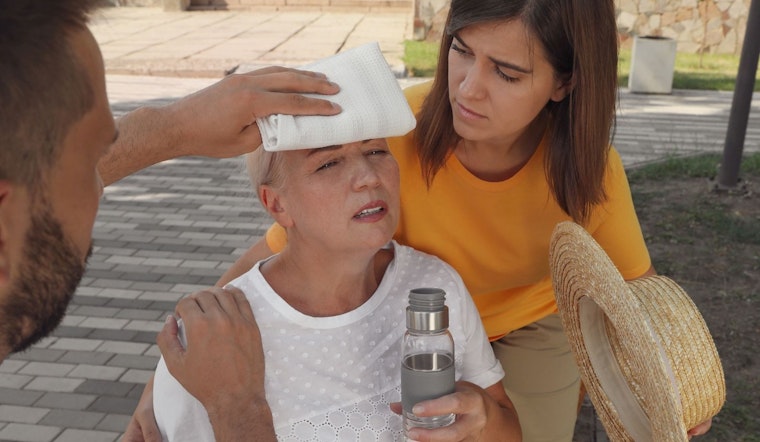
The scorching reality of summer heatwaves is upon us, and with it comes a serious reminder from Rice County Public Health about the serious threats posed by high temperatures and humidity. The message is clear: heat is the number one weather-related killer in the U.S., but with vigilance and preventive actions, these deaths can be avoided.
As we dive into the summer months, it's advised to keep a close ear to weather updates and heed any heat advisories that come through. The county's public health officials are adamant about the importance of staying hydrated and cool, encouraging residents to slow down, retreat indoors during the hottest times of the day, and minimize physical exertion under the sun. The mantra "look before you lock" is also echoed, reminding all to never leave kids or pets in parked cars, which can quickly become life-threatening ovens.
Knowing the signs of heat-related illnesses like heat exhaustion is imperative. Symptoms to watch out for include heavy sweating, muscle cramps, flushed skin, headache, and dizziness, among others. According to the Rice County Public Health website, if someone is exhibiting these symptoms, they should move to a cooler area, sip on cool water or sports drinks, and rest. If these distressing signs persist for more than an hour, seeking medical attention is crucial.
Heat stroke, on the other hand, presents an even more severe risk and can be fatal as the body loses its capacity to cool down. The county warns that symptoms such as hot skin, headaches, confusion, and possible changes in consciousness signal the need for immediate medical intervention—a point where calling 9-1-1 could very well be lifesaving. For those lacking the luxury of air conditioning, the county suggests finding solace in air-conditioned public spaces such as shopping malls or libraries, offering reprieve from the relentless heat and humidity.
Community solidarity is also a focus, with a call to action for residents to check in on vulnerable groups, including the elderly and those without air conditioning. Last but not least, for a comprehensive list of heat safety measures, residents are directed to check out additional tips on the Minnesota Department of Health's website or the Public Health page on the Rice County website.




