

























































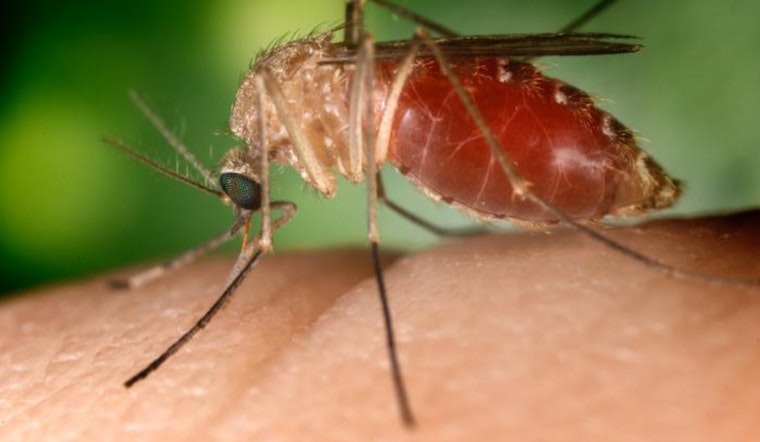
San Diego's Rolando neighborhood has recently become the focus of environmental health officials after routine monitoring found mosquitoes carrying West Nile virus. It's the first time since 2023 that the pesky insects have tested positive in the county. Also adding to the concern, there are reports of four dead birds this year infected with the virus, yet no human cases have been reported so far, as the County of San Diego reported.
The virus's return has prompted the county to issue an advisory, stressing San Diegans need to keep up with preventative measures. In line with their "Prevent, Protect, Report" guidelines, officials urge locals to eliminate standing water where mosquitoes breed. "Prevent, Protect, Report," designed to shield the public from the viral threat, emphasizes the need to stay vigilant about breeding grounds around homes, which can arise from various common items that collect water.
West Nile is primarily avian, but it poses a significant risk to humans when transmission occurs via mosquitoes biting infected birds and subsequently feeding on people. Symptoms for those infected can range from the mild, such as headaches and fever, to severe cases that could lead to death. In countering the threat, the county has listed comprehensive steps to mitigate this risk.
In response to the potential increase in mosquito-borne diseases, county officials are disseminating guidance to ensure personal protection against bites. Wearing protective clothing like long sleeves and pants and applying recommended insect repellents can be effective deterrents. Additionally, maintaining well-conditioned and secure screens on windows and doors is advised to keep the insects at bay. Essential in these efforts are public reports on increased mosquito activity or sightings of dead birds, which can be directed to the County Vector Control Program at (858) 694-2888 or via email at [email protected], as mentioned on the County of San Diego.



